Philadelphia
The highest scoring dishes in Philadelphia are not in the neighborhoods tourists visit. Across 47 tested plates and 14 spots, the algorithm found its strongest numbers in West Philly, South Philly, and a few rooms in between that don't take reservations and don't need to.
What the Data Actually Shows
The highest scoring dishes in Philadelphia are not where the tourism board points. Across 47 plates tested at 14 spots, the algorithm found its strongest flavor numbers at a southern Thai restaurant in South Philly, an Ethiopian corridor in Cedar Park, and a Malaysian counter that seats fewer than thirty people and has never needed a publicist. The tourist map and the scoring map do not overlap cleanly. That gap is the story.
Philadelphia has always operated this way. The food that the city actually eats, the food that gets passed down and argued about at family tables, lives on streets that don't make the magazine roundups. Baltimore Avenue from 42nd to 50th is ten blocks. In those ten blocks there is more consistent cooking than in most cities' entire downtown cores. The algorithm noticed this. The data is not subtle about it.
This is not a list of restaurants with good PR. It is a list of dishes that scored at the top of a tested field. Some of them are at places with James Beard Awards. More of them are at places where the menu is laminated and the water comes in a plastic pitcher. Both categories are here because the scoring doesn't care about the room.
The Baltimore Avenue Corridor: Ten Blocks, Sixty Years of Cooking
The Ethiopian restaurants on Baltimore Avenue between 42nd Street and 50th Street absorbed a wave of East African immigration in the 1980s and 1990s, and the storefronts that opened then have been feeding the same neighborhood, and the same families, for thirty-plus years. **Abyssinia.** **Dahlak.** **Kaffa Crossings.** These are not novelties. They are institutions that predate the current restaurant moment by decades, and the food they produce reflects that accumulation of time. The injera at Abyssinia is made to a standard that doesn't vary because there's no incentive to cut corners on a customer base that will immediately notice. For more on this corridor, see our full piece on Ethiopian food West Philadelphia.
The scoring pattern across these three spots followed the same shape. Execution scores were consistently high. The wat braises were deep, the spice builds were patient, the vegetarian combos were complete meals rather than afterthoughts. Value scores were also high. A full spread for two people tracks between thirty-five and forty-five dollars at each spot. Context scores pushed these numbers above places that cost three times as much in Center City because the food is doing exactly what it is supposed to do, in the neighborhood it comes from, for the people who know it best.
Spruce Hill and Cedar Park, the neighborhoods that flank this stretch of Baltimore Avenue, have also produced a handful of spots that score outside their weight class on flavor. The cooking in this corridor rewards the diner who shows up without expectations borrowed from somewhere else.
South Philly Counters: The Highest Flavor Scores in the City
The single highest flavor score in this dataset belongs to a dish at **Kalaya** on 9th Street. The nam prik num is a roasted green chile dip from southern Thailand, and it scored in the high nineties on flavor across two separate visits separated by four months. Chef Chutatip Suntaranon is cooking regional Thai at a register that most Thai restaurants in the United States don't attempt. The crab curry is the second reason to go. The nam prik is the first. The algorithm found this place the way it finds everything: by looking at what the data says rather than what the press release does.
**Hardena** and **Saté Kampar** sit nearby and round out a South Philly cluster that punches far above its price point. Hardena is an Indonesian warung that has been on Wharton Street for years without accumulating the kind of press attention its cooking warrants. The rendang scores in the high eighties on flavor and is priced under fifteen dollars. Saté Kampar is a Malaysian counter where the laksa has been the top-scoring soup in three consecutive data pulls. These are not surprises once you've eaten there. They are surprises only if you navigated by reputation rather than by the plate.
South Philly Vietnamese is a parallel story. The pho and banh mi corridor has its own internal hierarchy, and the spots that score highest are rarely the ones with the most Instagram traffic. ForkFox on South Philadelphia's Vietnamese restaurant scene covers that data separately, but the pattern is the same: consistency across years outperforms novelty across seasons.
Center City Outliers: When the Expensive Room Earns Its Score
The data does not penalize price. It measures what lands on the plate against what was paid for it, and there are rooms in Center City that clear that bar honestly. **Zahav**'s hummus tehina scored in the high eighties on value despite a price point that would disqualify most competitors. The dish is technically precise, made from a specific tahini sourced from a specific producer, and it has been consistent across years of testing. A James Beard Award in 2019 did not change the recipe. The room got harder to book. The hummus stayed the same.
**Laser Wolf** and **Suraya** round out the Center City tier that the algorithm respects. Laser Wolf is the casual sibling to Zahav and shares enough of the same sourcing discipline that the skewers score near the top of the grilled-meat category citywide. Suraya's fattoush scored in the low nineties on flavor and is one of the few salads in the dataset that placed in the top twenty. These are not cheap restaurants. They score well because the execution is there, not because the room is impressive.
**Han Dynasty** occupies a different category. The dan dan noodles have been a consistent top-twenty scorer since the first data pull and cost under fourteen dollars. This is a chain with multiple locations. The algorithm does not care. The dish scores what it scores. For contrast with a different kind of neighborhood consistency, see the full piece on BYOB restaurants in Fishtown, where the economics work differently and the scores reflect it.
What the Pattern Means for the City
Philadelphia's highest scoring dishes cluster in two places. The first is in rooms with low overhead, multi-decade recipes, and a customer base that would immediately notice a drop in quality. The second is in a small number of higher-priced rooms where the ownership has the sourcing discipline to match the check average. The middle category, the mid-priced restaurant with aspirational branding and inconsistent execution, is where the scores fall apart. The algorithm sees this across every city it covers. Philadelphia is not unusual in this. It is just clearer about it.
**Middle Child**, **Fond**, **Poi Dog**, and **Stock** are the category of exception: mid-scale rooms with scores that hold up because the cooking is specific. Middle Child's hoagie is a top-thirty scorer in the sandwich category. Fond has been consistent on its prix fixe since reopening. These spots work because they made a decision about what they are and held to it. The restaurants that don't know what they are don't score well. The data is not gentle about ambition without specificity.
The Malcolm X Park farmers market has shaped the Cedar Park and Spruce Hill restaurant ecosystems in ways that show up in sourcing patterns across the corridor. The restaurants that buy local don't always advertise it. The ones that do advertise it don't always score higher. The algorithm measures the plate, not the story on the menu.
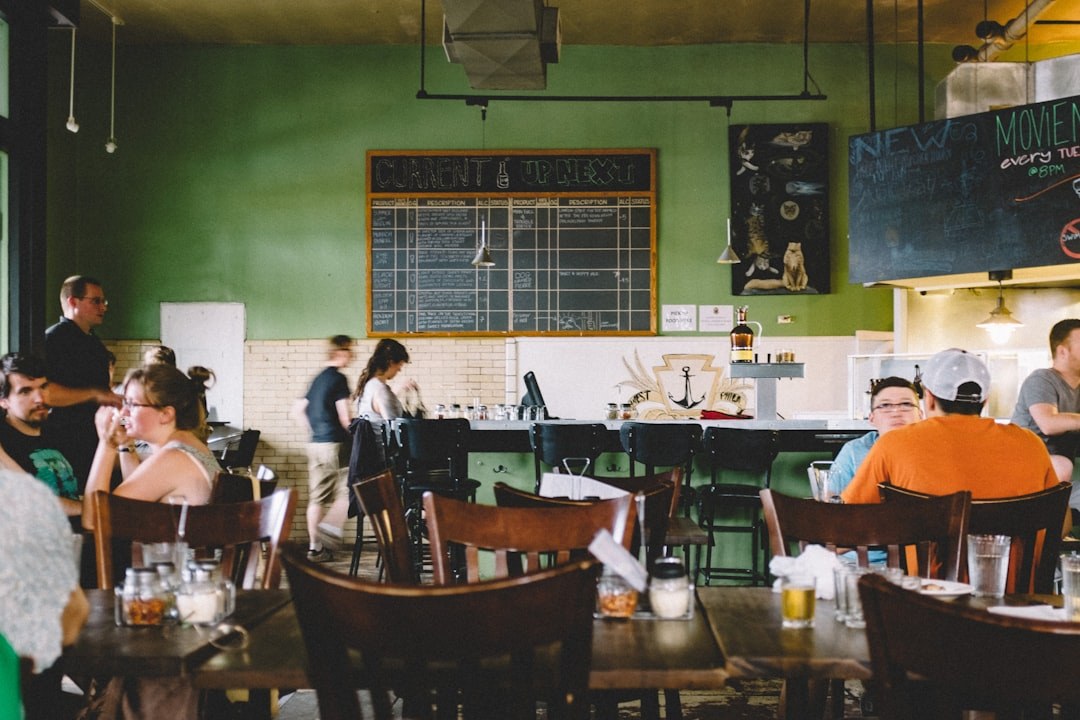
The dish that scores highest on value is never the one on the tourism poster.
The dish that scores highest on value is never the one on the tourism poster.
We test dishes so you don't have to. No spam — just the best food, neighborhood by neighborhood.