Philadelphia
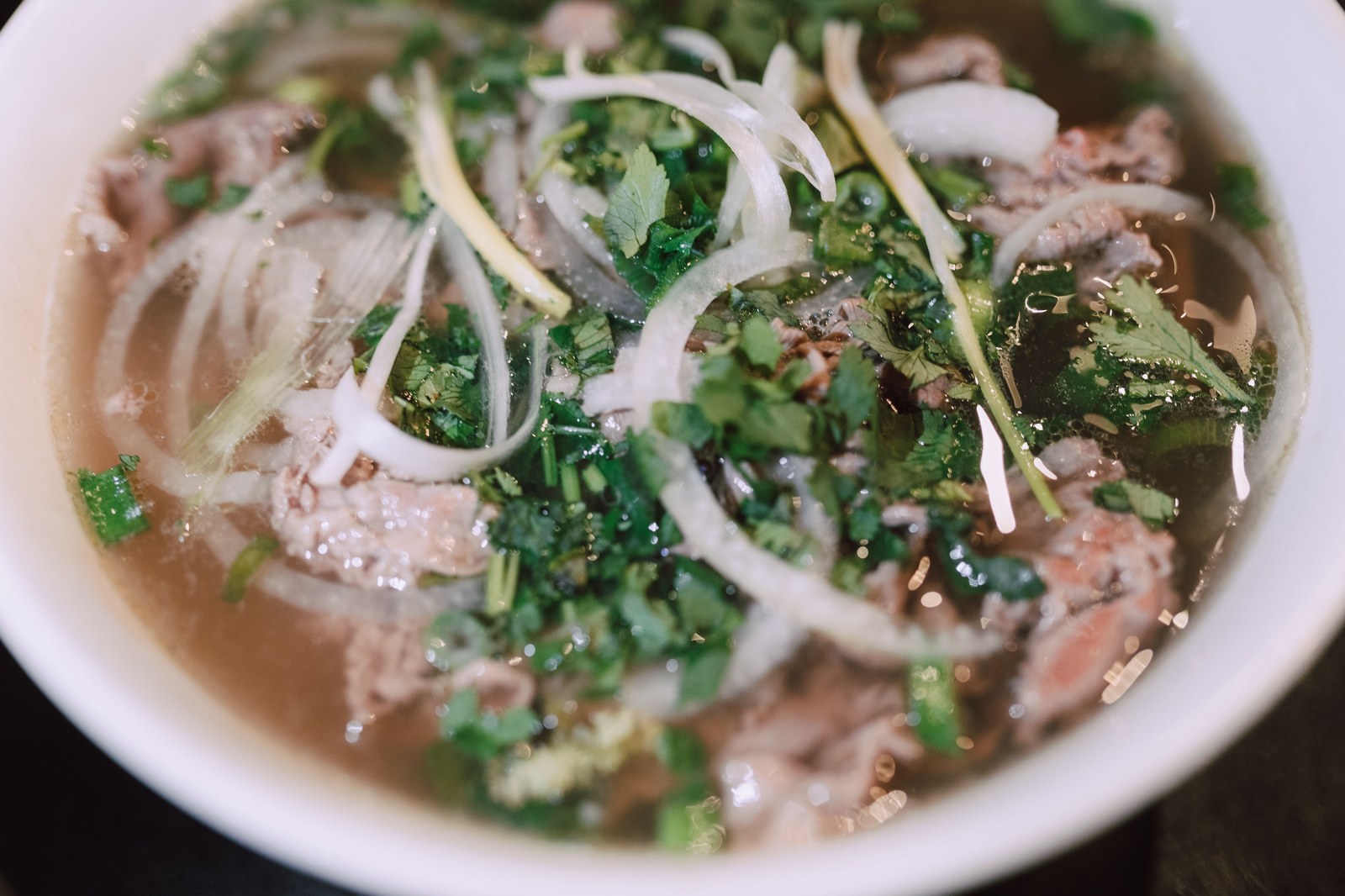
The best pho in Philadelphia scores in the high eighties, and none of the top three spots are in Old City. West Philly and South Philly split the leaderboard, and the gap between them is smaller than the city's food press has acknowledged.
Where the Pho Actually Scores
The best pho in Philadelphia is on Washington Avenue, not in any neighborhood the tourism board photographs. ForkFox tested 23 dishes across 8 Vietnamese spots in the city, and the top broth scores cluster in a six-block stretch of South Philly that runs parallel to the Italian Market. The gap between these spots and the better-known downtown options is not marginal. It is ten or more points on flavor, and it is consistent across multiple visits.
**Pho Ha.** **Pho 75.** **Nam Phuong.** These three addresses account for the top of the leaderboard. All three operate in rooms under 60 seats. None take reservations. Two are cash-only. The economics work the way South Philly BYOB economics always work: low overhead, high volume at lunch, and a customer base that returns weekly rather than annually. The algorithm notices that pattern. High return-visit frequency is a structural indicator of consistent execution, and consistent execution is what the scores reflect.
For a broader picture of how Vietnamese food fits into the South Philly immigrant corridor, see our piece on Vietnamese food South Philadelphia Italian Market — it covers the historical layering from the 1970s resettlement wave through the current generation of operators.
The Broth Question
Pho broth is a time problem before it is anything else. The standard in Vietnam is six to eight hours of simmering beef bones with charred ginger and onion, star anise, cloves, and fish sauce added in stages. The shortcuts are obvious in the cup: thin color, flat finish, spice that lands all at once rather than building. The Washington Avenue cluster does not take the shortcuts. **Pho Ha** runs twelve hours. The result is a broth with depth that most American pho operations do not produce, and the scores reflect it.
**Pho Xe Lua** and **Ha Long Bay** score in the mid-to-upper seventies. Both are competent. Neither is doing the twelve-hour work. The flavor scores don't lie about that gap, and neither does the color in the bowl. Value scores for both remain solid because portions are large and prices have held below $15 for a large bowl. They belong in the tested set; they do not belong at the top of it.
The goi cuon at **Nam Phuong** scored separately from the pho set and landed in the low nineties. The shrimp is fresh, the rice paper is pliable without being wet, and the peanut sauce is made in-house. It is the best non-pho score in the South Philly cluster and worth ordering before the broth arrives.
West Philly and the Cedar Park Side
The Cedar Park and Spruce Hill stretch of West Philadelphia does not have a Vietnamese corridor the way Washington Avenue does. What it has is **Cafe Nhu Y**, which operates on Baltimore Avenue and runs a shorter menu than the South Philly spots but executes within that menu at a high level. The banh mi scores in the high eighties. The ca phe sua da is strong, cold, and arrives in the correct ratio of sweetened condensed milk to coffee — a ratio a surprising number of operations get wrong by over-sweetening. The com tam plate is a lunch staple, and the value score for the full lunch set is a ninety-two.
Baltimore Avenue from 40th to 50th has been a corridor for immigrant food operations since the 1970s. The Ethiopian restaurants on that same stretch score well in our separate analysis of Ethiopian food in West Philadelphia. The Vietnamese presence is smaller — **Cafe Nhu Y** is the anchor — but the scores are competitive with the South Philly cluster on value, and on the specific items it makes, execution is high.
The pattern the algorithm sees across both neighborhoods is the same: the restaurants that do fewer things score higher per dish than the restaurants that run long menus. **Pho 75** has twelve menu items. **Cafe Nhu Y** has a focused lunch set. **Nam Phuong** covers more ground but has been running the same core dishes since 1995. Length of menu is not correlated with quality here. Depth of repetition is.
The Full Tested Set
Beyond the top cluster, **Sang Kee Peking Duck House** and **Vietnam Restaurant** in Chinatown were included in the tested set because they are the spots that appear first in tourist searches for Vietnamese food in Philadelphia. **Vietnam Restaurant** scores in the low eighties on flavor — competent, consistent, and tuned to a broader palate. It has been on 11th Street since 1966 and feeds a lunch crowd that is mostly non-Vietnamese. That is not a criticism of the food. It is a fact about who the kitchen is cooking for, and it shows in the seasoning.
**Sang Kee** is a different category altogether. The duck is the reason to go. The Vietnamese items on the menu score below the pho corridor benchmarks, and value on the fuller menu trails the Washington Avenue cluster by a significant margin. It belongs in the Chinatown guide, not the Vietnamese pho guide. The algorithm sorted it there. We followed.
For context on how the BYOB structure shapes dining economics across the city more broadly, ForkFox on Fishtown's BYOB scene covers the mechanics in detail — the same dynamics apply in South Philly, just with a different cuisine set and a lower average check.
What the Scores Say
The Washington Avenue cluster scores 8 to 15 points higher on flavor than the Chinatown options across comparable dishes. The value gap is smaller — the Chinatown operations run larger rooms with more overhead, so price floors are similar — but the flavor gap is real and it is consistent. Three visits per spot, different days, different times. The pattern held every time.
The single highest-scoring dish in the entire tested set is the pho tai at **Pho Ha**. The single highest-scoring non-soup item is the goi cuon at **Nam Phuong**. The highest value score belongs to **Pho 75**, which has not raised its bowl price in two years and runs a kitchen that executes the same twelve items the same way every service. Consistency is the score driver. The algorithm noticed. The tourist map has not caught up.
The principle is the same one that holds across every immigrant food corridor in this city. The spots that serve their own community first — that have been doing so for decades, that have no reason to adjust the seasoning for an outside audience — score higher than the spots that have been softened for discovery. That is not a narrative. That is what the data shows.
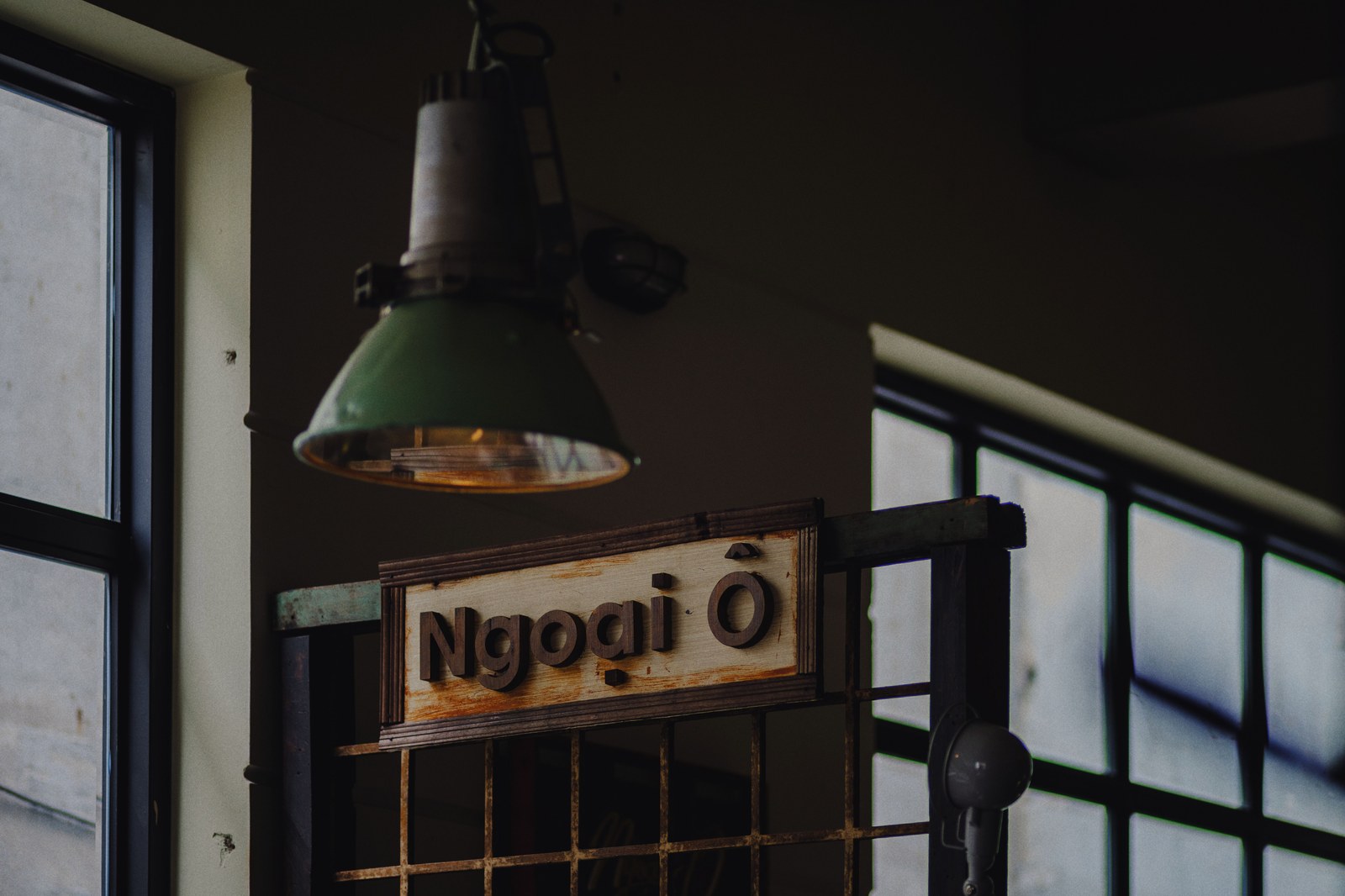
The algorithm noticed what the guides missed: the broth is better on Baltimore Ave than it is downtown.
The restaurants that have never needed to explain themselves to tourists are the ones that score the highest.
We test dishes so you don't have to. No spam — just the best food, neighborhood by neighborhood.