Philadelphia · Roxborough
The tourist map ends at Manayunk. Ridge Ave keeps going. Here is what is actually open, what is actually good, and what the scores say about a diner corridor the guides forgot to write down.
What Ridge Ave Is Before It Is Anything Else
Roxborough is the neighborhood the food press reaches when it has already written about Fishtown, already covered South Philly, already filed the West Philly piece, and is looking for something north of the usual radius. That means it gets covered late, covered lightly, or not covered at all. The diners on Ridge Ave do not seem to mind. They have been open on schedules that precede any review, serving shift workers, tradespeople, and families who have eaten in the same booth for twenty years.
Ridge Ave runs northwest from the Schuylkill into the Wissahickon watershed, and the diner corridor that lines it reflects the economics of a neighborhood that never fully gentrified and never fully stayed the same. The prices are structural. A full breakfast — eggs, scrapple, toast, coffee — tracks under eleven dollars at most of the counters. That is not a marketing decision. That is a neighborhood keeping itself fed.
The scores in our data tell a specific story. Execution lands consistently in the mid-to-high eighties across the corridor. Value scores are higher than that. Context — the category that measures whether a place is genuinely what it claims to be — is where these diners separate from their competition. They are diners that operate as diners, not as brunch destinations performing diner aesthetics for a weekend crowd.
The Counter Is Not a Design Choice
The counter at a working diner is an economic structure. It turns faster than booths. It requires no host, minimal floor staff, and creates a natural pressure that moves people through in forty minutes or less. At the **Ridge Diner**, the counter runs the length of the room, twelve seats, vinyl stools that have been re-upholstered twice since the place opened. The cook can see every plate from the flat-top. The waitstaff knows every regular by order, not by name. That is a system. It has been working.
The **Roxborough Diner** operates on the same logic. Two pages of menu, one board of specials, coffee that comes before you ask. The hot turkey sandwich is the move — an open-face construction with roast turkey, white bread, and a ladle of brown gravy that pools into the plate. It is the kind of dish that requires good gravy and no embarrassment about white bread. Both are present. The scores noticed: flavor in the high eighties, value at ninety-two.
Neither of these places has a website that is current. Neither takes reservations. Neither needs to. The regulars will leave if the quality drops, and the regulars have been there long enough to define what quality means in this room. The algorithm can see that stability in the consistency data. A place that has been executing the same dish correctly for fifteen years does not have the same score variance as a place that opened in the last two years and is still finding its line.
The Trolley Car Diner and the Long Game
The **Trolley Car Diner** is the most photographed spot on the corridor, and it is also the spot most likely to be dismissed because of that. A preserved trolley car converted into a working diner is the kind of origin story that attracts a certain kind of attention in the 2000s and then becomes background noise for the neighborhood it actually serves. The novelty exhausted itself. What remained is a diner with a serious pie case and a patty melt that earns its place on the menu.
The pie is the thing to order here. The crusts are made in-house, the fillings are the correct density, and the slices are cut at a scale that suggests the kitchen is not interested in theater. Coconut cream, apple, and cherry cycle through the case depending on the week. The algorithm noticed what the guide writers did not: the dessert scores at the Trolley Car are as high as the breakfast scores, which is unusual for a diner, and the gap between the two is the smallest on the corridor.
The patty melt is the other data point. Two smashed beef patties, caramelized onions, Swiss cheese, rye bread griddled in butter. It does not arrive quickly. It arrives correct. That is the choice the kitchen has made, and it is the right one. Score it against patty melts across the city and it lands in the top tier of the category — not because the category is weak but because the execution is patient.
What the Data Says About a Neighborhood the Guides Skipped
The question that the scores raise about diners in Roxborough Philadelphia is not whether they are good. The data is clear: they are good, they are consistent, and they are underpriced relative to execution. The question is why the gap exists between what the scores say and what the coverage says. The answer is structural. The food press runs on restaurant openings, on chef movements, on the kind of narrative that requires a beginning. A diner that has been open for twenty-two years without a rebrand does not offer that narrative. The algorithm does not care.
The comparison with other Philadelphia neighborhoods is instructive. The BYOB corridor in Fishtown — see BYOB restaurants Fishtown Philadelphia for that full breakdown — gets covered annually because new spots open annually and the story refreshes. The Ethiopian corridor in West Philly, which we covered in our piece on Ethiopian food West Philadelphia, gets covered because it is geographically interesting and culturally legible to food writers. Roxborough gets covered when someone runs out of other ideas. The diners are still there when that happens.
The ForkFox on South Philadelphia Vietnamese data showed a similar pattern: neighborhoods with long institutional histories and low turnover score higher on consistency than neighborhoods with high turnover and high press coverage. Roxborough's diner corridor fits that model exactly. The spots have been there. The staff has been there. The regulars define the standard. The scores reflect all of that.
How to Use This Corridor Without Getting It Wrong
The diners on Ridge Ave are not structured for the visit. They are structured for the return. The first time you eat at the **Ridge Diner**, the scrapple is a revelation if you are not from here and a confirmation if you are. The second time, you know where to sit and what to order and the meal takes twenty-five minutes. The tenth time, the waitstaff knows your coffee order and the counter seat at the far left is yours if you arrive before seven. That is the arc these places are built for.
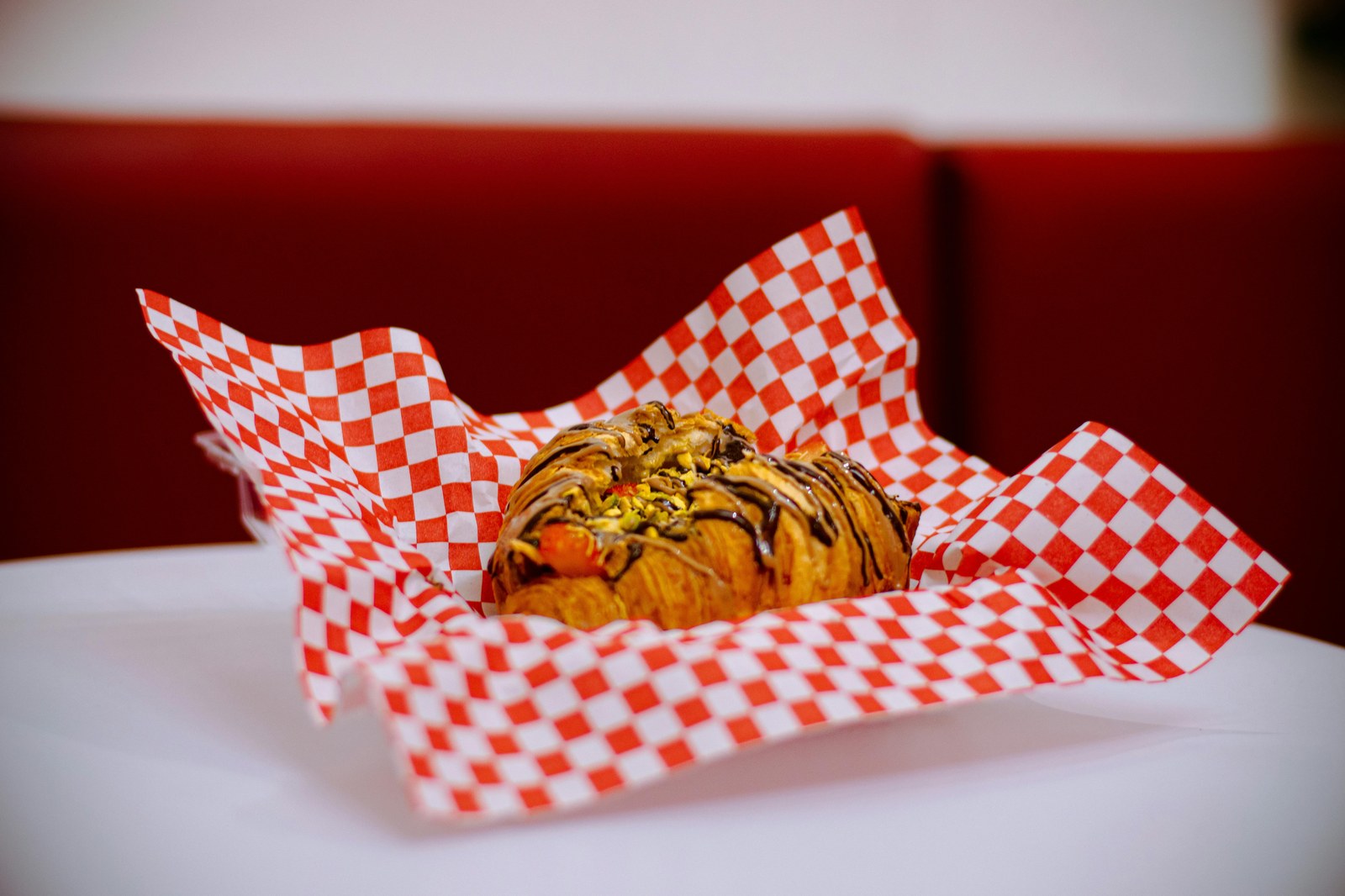
The practical notes: cash is preferred at most of these counters, parking on Ridge Ave is metered on weekdays before six, and the weekend breakfast rush at the **Trolley Car Diner** starts earlier than you expect and moves faster than it looks. The **Bredenbeck's Bakery** opens at seven and the Danish are gone by nine. The **McMenamin's Tavern** opens for lunch and the kitchen closes at ten. The rhythm of the corridor is the rhythm of a neighborhood that keeps working hours.
What Roxborough's diner scene demonstrates, in aggregate, is the principle that consistency is a form of excellence. These spots have not been reviewed into improvement. They have been operated into it, shift by shift, over years. The regulars are the quality control. The algorithm can see what a single visit cannot.
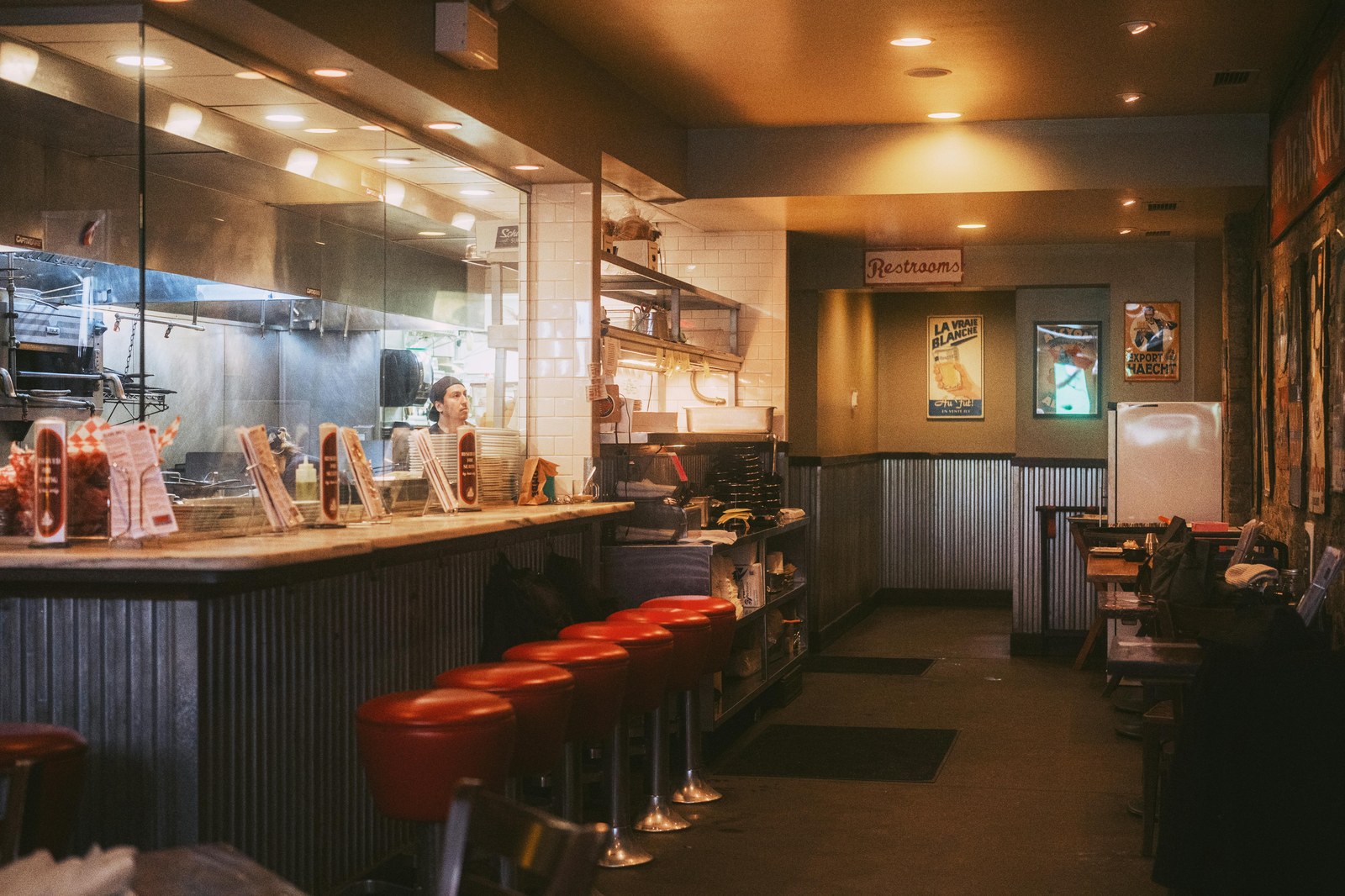
The algorithm notices what the guides missed: Roxborough's diners score high on consistency, not on hype.
A diner that has been executing the same breakfast correctly for twenty years is not boring — it is the proof of concept.
We test dishes so you don't have to. No spam — just the best food, neighborhood by neighborhood.