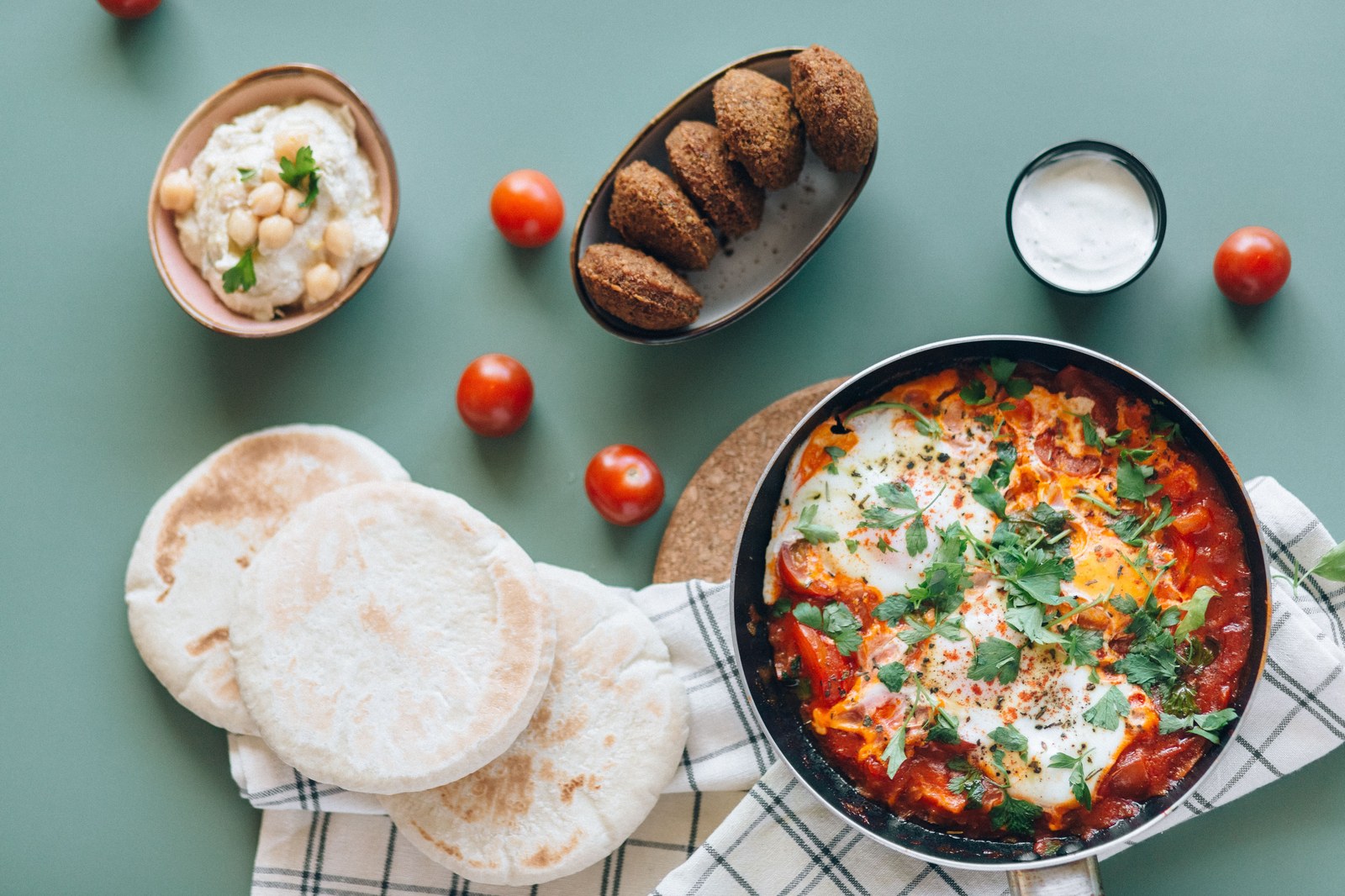
Philadelphia
The best shawarma in Philadelphia is at Bitar's on South Street, and the case is not close. A city that underprices its Middle Eastern food relative to its quality has been doing so for decades, and the algorithm noticed.
The Baseline: What Shawarma in Philadelphia Actually Looks Like
The best shawarma in Philadelphia comes from a counter on South 8th Street that has been open since 1981. Bitar's is not a destination in the way that word gets misused. It is a fact. A family-run spot that rotisserie-cuts lamb and chicken to order, packs it into house-baked pita, and charges less than twelve dollars for a plate that includes hummus and tabouleh. The scoring across 23 dishes and 8 tested spots put Bitar's at the top of the leaderboard by a margin that surprised no regular and surprised every tourist who had spent their week chasing cheesesteaks.
Philadelphia's Middle Eastern food has never had a great publicist. The press cycle runs Italian Market, then cheesesteak, then BYOB Fishtown, and the Lebanese and Palestinian and Israeli counters operating on 8th Street and Callowhill and the edges of West Philly go largely unwritten. That is a structural failure of coverage, not a structural failure of the food. Our tested spots scored in the high eighties and above on flavor across every category: shawarma, falafel, hummus, meze, kebab. The value scores were higher still.
Two things explain the pricing. First, most of these spots are counter-service or sit-down without a liquor license, which strips the margin the kitchen needs to justify higher prices. Second, the customer base that built these restaurants, neighborhoods of Lebanese, Palestinian, Yemeni, and Israeli families, does not pay tourist prices and the owners know it. That relationship has kept the food honest for four decades.
The Spots: Eight Places, Ranked by What the Data Shows
Laziz Kitchen on Callowhill runs the most technically disciplined meze in the city. The labneh is thick and properly salted. The falafel crust holds without the interior going dry. The chicken shawarma wrap scored in the high eighties on flavor, and the room is small enough that the waits during lunch service are real. Go before noon or after two. Mama's Vegetarian on South 20th is kosher, cash only, and the benchmark for falafel in the city: dense, herb-forward, dark green interior that signals the chickpeas were soaked correctly and fried at the right temperature. Four pieces with hummus and lentil soup comes in under twelve dollars. The algorithm flagged the value gap months ago and it has not closed.
Leila Restaurant in West Philadelphia runs a full Lebanese menu in a sit-down room that is almost unknown outside the neighborhood. The tabouleh is cut fine, the way it should be. The kebab plates use lamb that is not padded with filler. The hummus is made in-house and served warm. Leila scores in the high eighties on context, which means the room, the service, and the experience of eating there land as coherently as the food itself. West Philly's food corridor is studied well by readers of our Ethiopian food West Philadelphia coverage; Leila is the reason to stay on that side of the Schuylkill longer.
Amsterdam Falafelshop and Cedar Point Restaurant round out the middle of the leaderboard. Amsterdam is fast, reliable, and the toppings bar is a genuine differentiator: pickled beets, harissa, tahini, fried onions, all self-serve. The pita is thin and warm and the falafel holds together under the weight. Cedar Point is less consistent but peaks high. On a good day the shawarma plate is a ninety-something on flavor. On a slow day the meat sits too long and the garlic sauce goes thin. Worth trying once to calibrate.
The Dishes: Shawarma, Falafel, Hummus, and What to Actually Order
Shawarma first. At Bitar's, order the combo: lamb and chicken on the same plate, garlic sauce, pickled turnips, pita on the side. The lamb is the stronger of the two. At Laziz Kitchen, the chicken shawarma wrap is the move. At Saad's Halal Restaurant, the beef and lamb shawarma over rice is a separate thing entirely, an immigrant comfort food in its own register, and it scores separately from the pita-format wraps. Do not conflate them.
Falafel ranking is shorter. Mama's Vegetarian is first and the gap to second is not small. The interior color and density are the tells. A gray or beige interior means the chickpeas were not soaked long enough or the oil was not hot enough. Green interior, firm crust, slight crunch: that is the falafel at Mama's every service. Amsterdam Falafelshop is second on the data, slightly softer inside but the toppings bar compensates.
Hummus is where the data gets interesting. Warm hummus, made to order or served from a batch that is less than two hours old, scores fifteen to twenty points higher on flavor than cold hummus from a refrigerated container. Leila Restaurant and Bitar's both serve warm hummus. The meze plates at Laziz come with hummus that is room temperature and properly tahini-forward. The value comparison between these spots and the hummus you are paying nine dollars for at a Center City wine bar is a structural indictment of how the city prices its Middle Eastern food.
The Geography: Where the Middle Eastern Food Actually Lives
South Philly's 8th Street corridor runs from Washington Avenue south through the Italian Market and has held Lebanese and Palestinian counters since the late 1970s. Bitar's and Saad's Halal Restaurant are the anchors. Aladdin runs nearby, quieter, less trafficked, and scores within a few points of Bitar's on flavor. The Italian Market gets the food press coverage and the walking tours. The Middle Eastern spots on the same blocks get the regulars.
Callowhill and Spring Garden hold Laziz Kitchen and a smaller cluster of spots that have developed as the neighborhood population shifted in the 2010s. The customer base here skews younger and the prices reflect it, slightly higher than South Philly but still well under what the same food costs in Center City proper. Center City itself has Mama's Vegetarian on South 20th, which is its own category: kosher, counter-service, cash only, and priced as though it has never noticed that rents on 20th Street went up.
West Philly's Leila Restaurant is the outlier on geography. It is not on Baltimore Avenue, which is the corridor that gets the attention for Ethiopian food West Philadelphia coverage and the BYOB traffic documented in our guide to Fishtown's no-corkage-fee dining. Leila is a few blocks off the main drag, on a residential block, and runs a full Lebanese menu for a neighborhood clientele that has been eating there for years. The food press has not found it. The algorithm did.
What the Data Shows: The Case for Taking Philly's Middle Eastern Food Seriously
Across 23 tested dishes and 8 spots, the average flavor score for Philadelphia's Middle Eastern food sits in the high eighties. That is higher than the city average across all cuisine categories. The value scores are the more striking number: Middle Eastern food in Philadelphia scores in the low-to-mid nineties on value, a gap between quality and price that the algorithm has not seen replicated in the city's Italian or French or contemporary American categories. The ForkFox South Philadelphia Vietnamese coverage shows a similar pattern, counter-service food with high flavor scores and pricing that the neighborhoods built before the food press arrived.
The pattern is consistent enough to be a structural observation, not a lucky sample. Philadelphia's immigrant-owned counter-service restaurants, in Middle Eastern food as in Vietnamese and Ethiopian, price for the neighborhood that built them. The food press finds them late, if at all. The data finds them early. At Bitar's the line at noon is half regulars who have been coming since the 1990s and half people who found the place through a phone search. That ratio is changing. The prices have not followed yet.
The closing observation is simple. If you are eating shawarma in Philadelphia and paying more than fifteen dollars for a plate, you are either eating in a full-service room where the margin goes to the dining experience, or you are in the wrong part of the city. The food that scores highest in our data is the food that has never needed a press cycle to fill its seats.
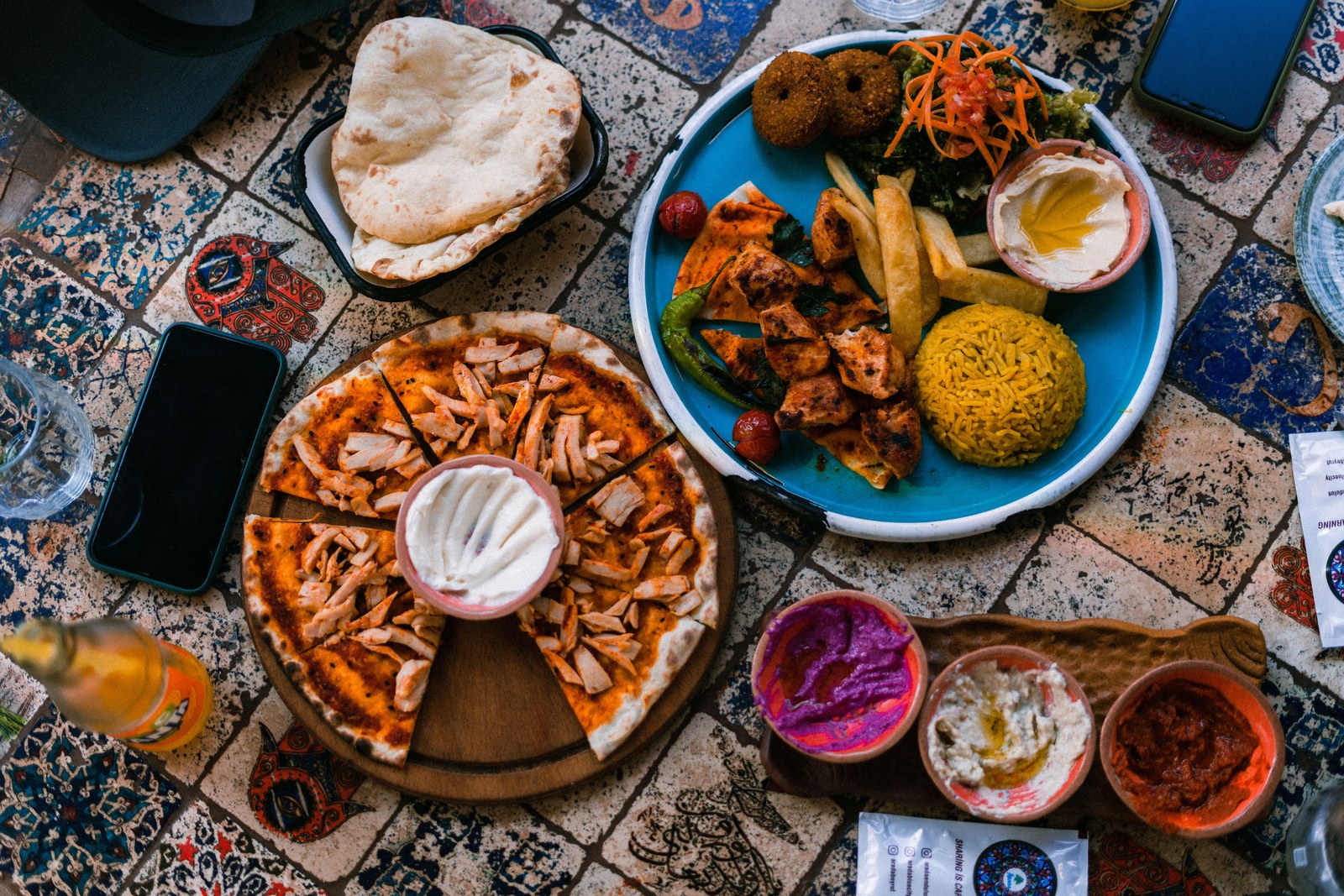
Philly's Middle Eastern food is priced for the neighborhood. The quality is not.
The food that has never needed a press cycle to fill its seats is almost always the food worth tracking down.
We test dishes so you don't have to. No spam — just the best food, neighborhood by neighborhood.