San Francisco · Bernal Heights
Cortland Avenue does not advertise. The bakeries on it do not need to.
The Corridor That Doesn't Need a Press Run
Cortland Avenue runs east to west across the top of Bernal Heights, a neighborhood that sits south of the Mission and mostly above the fog line. The street has no Michelin-starred room, no tasting menu, no waitlist that tourists know about. What it has is a cluster of bakeries and pastry-forward spots that have been feeding the same households — dog walkers, UCSF residents, retired teachers, tech workers who moved here before the money moved in — for years. The algorithm noticed that the scores here are steady. Not spiking on hype. Steady.
That steadiness is structural. The bakeries on Cortland serve a neighborhood, not a destination market. When Pinkie's Bakery sells out of croissants at noon on a Saturday, it is not because food tourists arrived at ten. It is because the people who live here arrived at eight. The economics of a neighborhood bakery depend on repeat business and proximity, not on a feature in a national outlet. That dependency produces a different kind of consistency than the Ferry Building model, which optimizes for first impressions from visitors who will not return for six months.
Three independent bakeries within four blocks, none of them with a second location. That is not a marketing strategy. That is a neighborhood that can support bread.
What the Data Actually Shows
The scoring pattern for Bernal bakeries is not uniform, and that gap is instructive. Flavor and texture scores cluster in the mid-to-high eighties across the corridor — solid, professional work, consistently executed. Value scores are where Bernal separates from its competition. A croissant at Pinkie's Bakery is under five dollars. A laminated pastry of equivalent technical quality in Hayes Valley or the Marina runs seven to nine. The gap is not about ingredient quality; it is about rent and audience expectation. The algorithm can see that the value differential is the real story here.
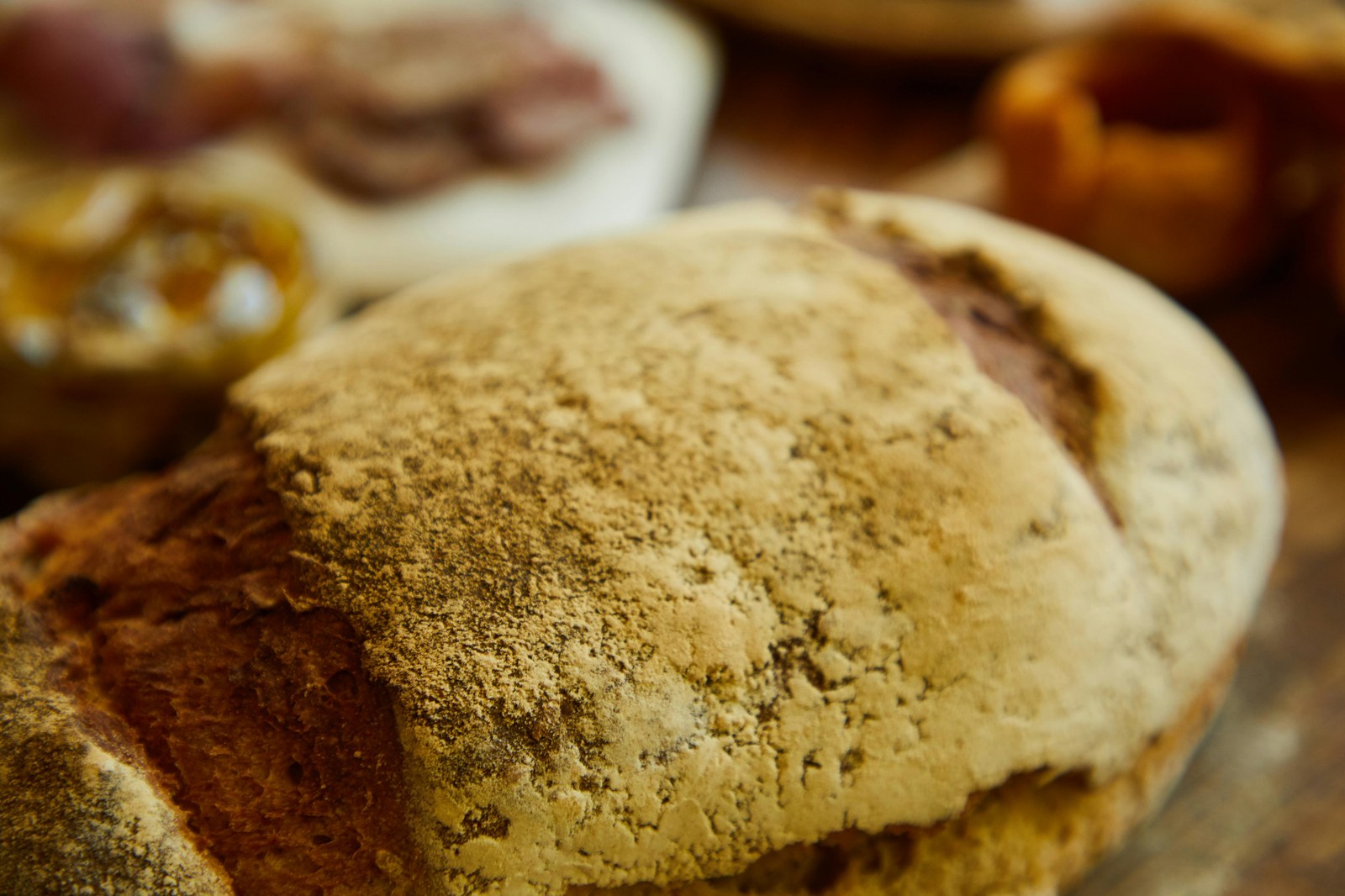
Good Good Culture Club occupies a specific niche that the scoring reflects: the fermented and heritage-grain program there is technically serious in a way that is easy to miss if you are looking for a classic French bakery register. The sourdough loaves score above ninety on crust and crumb consistency. The scores on flavor are more variable — some of that is intentional, tied to the grain rotation, and some of it is the audience self-selecting for the funkier end of the spectrum. Either way, the algorithm noticed that the regulars buy the same loaf every week. Regulars do not do that at shops that are inconsistent.
Hot Dish Bernal runs savory baked goods alongside a breakfast menu, and the biscuit program there is the kind of thing that gets underscored nationally because biscuits do not photograph as well as croissants. The scores say otherwise. Technique is high; the layers are distinct, the butter is present without being cloying, the salt is right. It is a biscuit that knows what it is.
The Neighborhood That Sets the Standard
Bernal Heights absorbed successive waves of working-class and then middle-class San Francisco families across the 1970s, 1980s, and 1990s, and the housing density on Cortland and the streets below it reflects that layering. The bakeries are not decorative. They are functional infrastructure for households that eat breakfast at home and buy bread twice a week. That is a different customer than the one the Ferry Building attracts on a Saturday morning, and it produces a different kind of shop. Noe Valley Bakery on 24th Street, which serves the immediate neighborhood to the north and feeds Bernal families from the other direction, has been making birthday cakes for the same households since 1995. The birthday cake is not a luxury item here. It is a recurring purchase.
The context scores for Bernal bakeries are consistently high, and that is the variable that gets missed in city-wide comparisons. Context in the scoring framework includes how a place fits its neighborhood — whether the room makes sense for the people who live there, whether the price matches the income profile, whether the hours align with how the street actually moves. Cortland Ave bakeries open early and close before the dinner rush. That is not an accident. That is a correct read of a neighborhood that eats at home at night.
The comparison point is the Tenderloin, which runs a different model entirely — see the South Indian food Tenderloin San Francisco coverage for a corridor that operates on similar neighborhood-first economics but with a completely different cuisine profile. The principle is the same: shops that serve the people who live there, without editorial intervention, score better on context than shops that serve the people who visit. The Mission's best Mexican spots run on identical logic — the best Mexican food in the Mission District is not the place with the murals on the outside. It is the place with the handwritten specials. And if you want to see how the algorithm handles the full opposite end of the performance-dining spectrum, ForkFox on Financial District dim sum documents what happens when a cuisine gets formalized for a lunch crowd with expense accounts.
The Practical Guide
Parking on Cortland is residential permit on the side streets and metered on the avenue itself. The bakeries open between seven and eight a.m. and the sellouts are real — Pinkie's Bakery runs a finite number of laminated pastries per day and does not make more. If the croissant case is empty at eleven, it is empty. Good Good Culture Club takes pre-orders on the heritage grain loaves, and the pre-order list is the correct way to guarantee a specific loaf on a specific day. Arriving without a pre-order on a Saturday and expecting a full selection is an optimistic strategy.
Bernal Beast is not a bakery but it shares the Cortland corridor and the morning crowd, and the coffee program there is what the bakeries rely on for the sit-down trade. The combination of a Pinkie's croissant and a Bernal Beast cortado is functionally the neighborhood's breakfast menu for the people who do not eat at home. Flour + Water Pizzeria runs a separate bread program on the dinner side that scores well on the dough quality — the lunch focaccia, when available, tracks closer to the Ligurian model than the Roman, which is a specific thing that matters to the people who care about it.
The totality of the Cortland Ave baking scene is not legible from a single visit. It is legible from the fourth or fifth visit, when the patterns become clear — which days the best loaves come out, which counter staff knows the fermentation schedule, which galette reflects the season and which one is the permanent menu item. This is a neighborhood that rewards being a regular. It is not designed for the one-time audit.
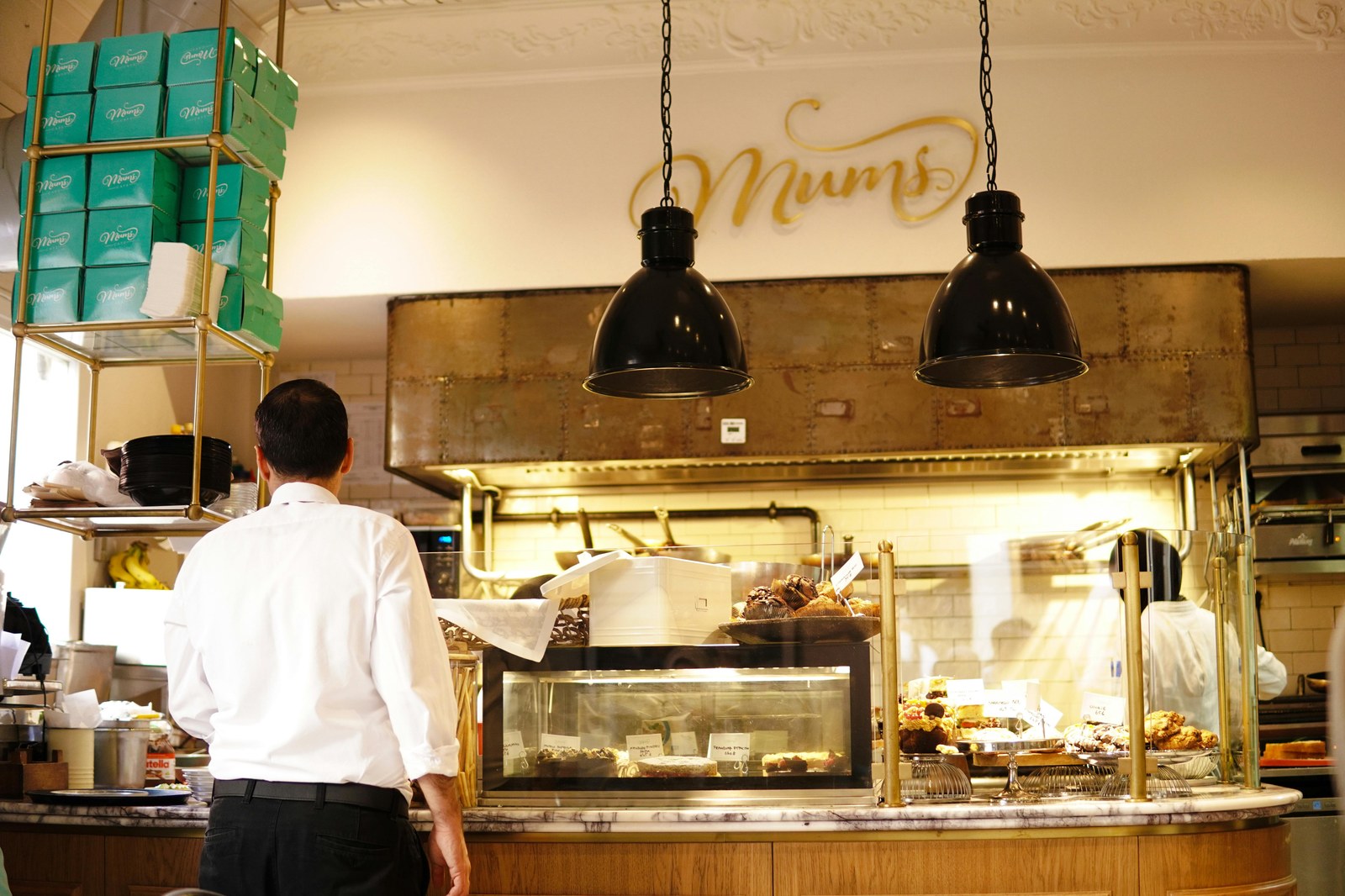
The scoring gap between Bernal and the Ferry Building is not about quality. It's about who the bread is for.
The bakery that serves its neighborhood without performing for anyone else is the one worth knowing.
We test dishes so you don't have to. No spam — just the best food, neighborhood by neighborhood.