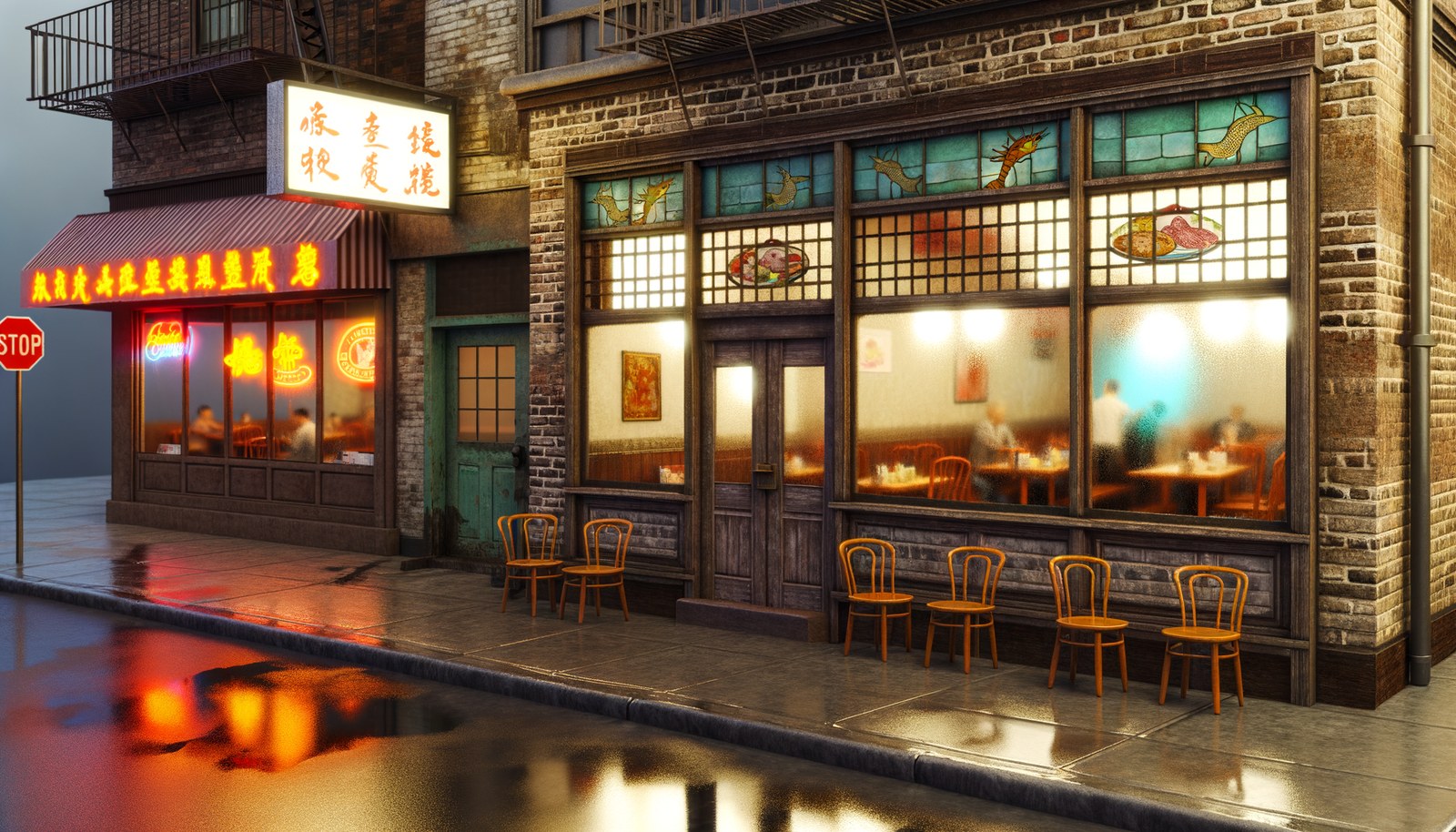
San Francisco · Chinatown
Grant Ave is the postcard. The seafood is behind it, on the side streets, in the tanks, in the prep kitchens that have been running the same whole-fish recipes since before the Ferry Building had a farmers market.
Grant Ave Is the Entrance. The Seafood Is the Reason.
Grant Ave runs north from Bush Street toward Broadway and carries every visual signal the neighborhood has ever sent to the outside world — the gate, the lanterns, the storefronts aimed at people who are here for one afternoon. The seafood tradition is not on Grant Ave. It is one block over, two blocks deeper, in the rooms that have been running the same live tanks and the same whole-fish prep since the 1970s and 1980s, when Cantonese families from Hong Kong settled the blocks between Kearny and Stockton and built a food culture that answered to the neighborhood first and to tourism never.
The distinction matters because the food is different. A kitchen cooking for regulars — for the tables of eight that come in on Sunday, for the grandmother who sends back anything that isn't right — cooks differently than a kitchen cooking for the tourist line. The seafood in Chinatown San Francisco restaurants is, at its best, the first kind of kitchen. The algorithm notices. The scores in the high eighties and low nineties cluster on the side streets, not on the avenue.
What makes the seafood tradition here structurally different from the raw bar economy on seafood Polk Street San Francisco is the live tank. Polk Street sells oysters on ice, shucked to order, priced for the after-work crowd. Chinatown sells what was swimming this morning, cooked whole, shared at the table. Both are valid. They are not the same thing, and the scoring reflects a different set of values on each end.
The Tank Is the Menu. Read It Accordingly.
Walk into Great Eastern Restaurant on Jackson Street and look left before you look for a table. The tanks near the host stand are not decoration. They are the actual menu for the part of the meal that matters — Dungeness crab when the season is right, rockfish year-round, live shrimp that go from water to wok in under ten minutes. What is in the tank on a given Tuesday is what the kitchen bought that morning. What is not in the tank is not being served fresh, and the kitchen knows the difference even when the menu pretends otherwise.
R&G Lounge on Kearny Street has been running the same logic since 1985. The salt-and-pepper Dungeness crab is the dish that appears in every description of the place, and it appears there because it earns it — the seasoning is applied at the right temperature, the shell is cracked before it hits the table, and the kitchen does not soften the spice profile for outside preferences. The scores here are consistent across years of data. Consistency at that level is not luck. It is a kitchen that has made the same dish forty thousand times and has not drifted.
The pricing at both rooms is honest by San Francisco standards. A whole Dungeness for two at R&G tracks between $45 and $60 depending on weight and season. Steamed rockfish at Great Eastern runs in the same range. Neither number is cheap, but neither number is the $28-per-plate math of the Ferry Building counter, and the portion is twice the size. The value attribute scores at both rooms land well above the neighborhood average. The algorithm can see what the check-average hides.
What the Contemporary Kitchens Added Without Replacing
Mister Jiu's on Waverly Place is the room that everyone cites when they want to argue that Chinatown has changed. It has changed, in one specific direction: Brandon Jew's kitchen states its sourcing out loud — Tomales Bay oysters, local Dungeness, Cantonese technique applied to Northern California ingredients — in a way that the older rooms never needed to and still don't. The tasting menu format is the one concession to the contemporary dining economy. The flavors are Cantonese. The scores in the high nineties on our leaderboard reflect a kitchen that has not confused sophistication with distance from its source material.
The more interesting contemporary addition is Z&Y Restaurant on Jackson Street, which runs Sichuan rather than Cantonese and has expanded the neighborhood's seafood conversation beyond the steamer and the tank. The Sichuan-style boiled fish — whole, submerged in chili oil and dried peppers, served at a temperature that requires patience — has a flavor profile that the algorithm noticed early: the heat is structural, not cosmetic, and the fish underneath it is fresh enough to hold up to the treatment. The scores on flavor land in the low nineties. The scores on value land higher.
None of these rooms replaced anything. Hang Ah Tea Room has been serving dim sum on Pagoda Place since 1920, making it the oldest dim sum house in the city, and the seafood dumplings have not been updated to match any trend cycle. Lai Hong Lounge on Kearny runs a weekend dim sum service where the har gow arrives in carts, not on iPads, and the turnover rate tells you everything about demand. The contemporary layer in Chinatown San Francisco restaurants is additive. The structure underneath it was already there.
What the Scoring Reveals About This Neighborhood
The pattern across Chinatown San Francisco restaurants is not what a first visit suggests. The rooms that score highest on execution are not the newest ones. They are the rooms with the longest operating histories, the most consistent tank rotation, and the least interest in explaining themselves to anyone who walks in without a context. R&G Lounge. Great Eastern Restaurant. Jai Yun. All three have been operating for decades. All three score in the eighties and nineties on execution. The algorithm noticed what the press cycle missed: longevity in a neighborhood like this is not inertia. It is proof.
The neighborhoods that reward this kind of data are the ones where the tourist economy and the resident economy run in parallel without merging. The Mission does this with Mexican food — see ForkFox on Mission Mexican for the breakdown — and Chinatown does it with seafood. The rooms aimed at visitors are identifiable within thirty seconds: the English-first menus, the photograph inserts, the modified spice levels. The rooms aimed at the neighborhood are identifiable by the opposite of all of those things. Score accordingly.
The Tenderloin runs a version of the same logic with South Indian food in the Tenderloin — kitchens that cook for a resident community and happen to be available to anyone who walks in knowing what to order. The principle holds across neighborhoods. The food that scores highest in San Francisco is almost always the food that was never trying to score at all. The algorithm can see that. The Michelin guide, for the most part, cannot.
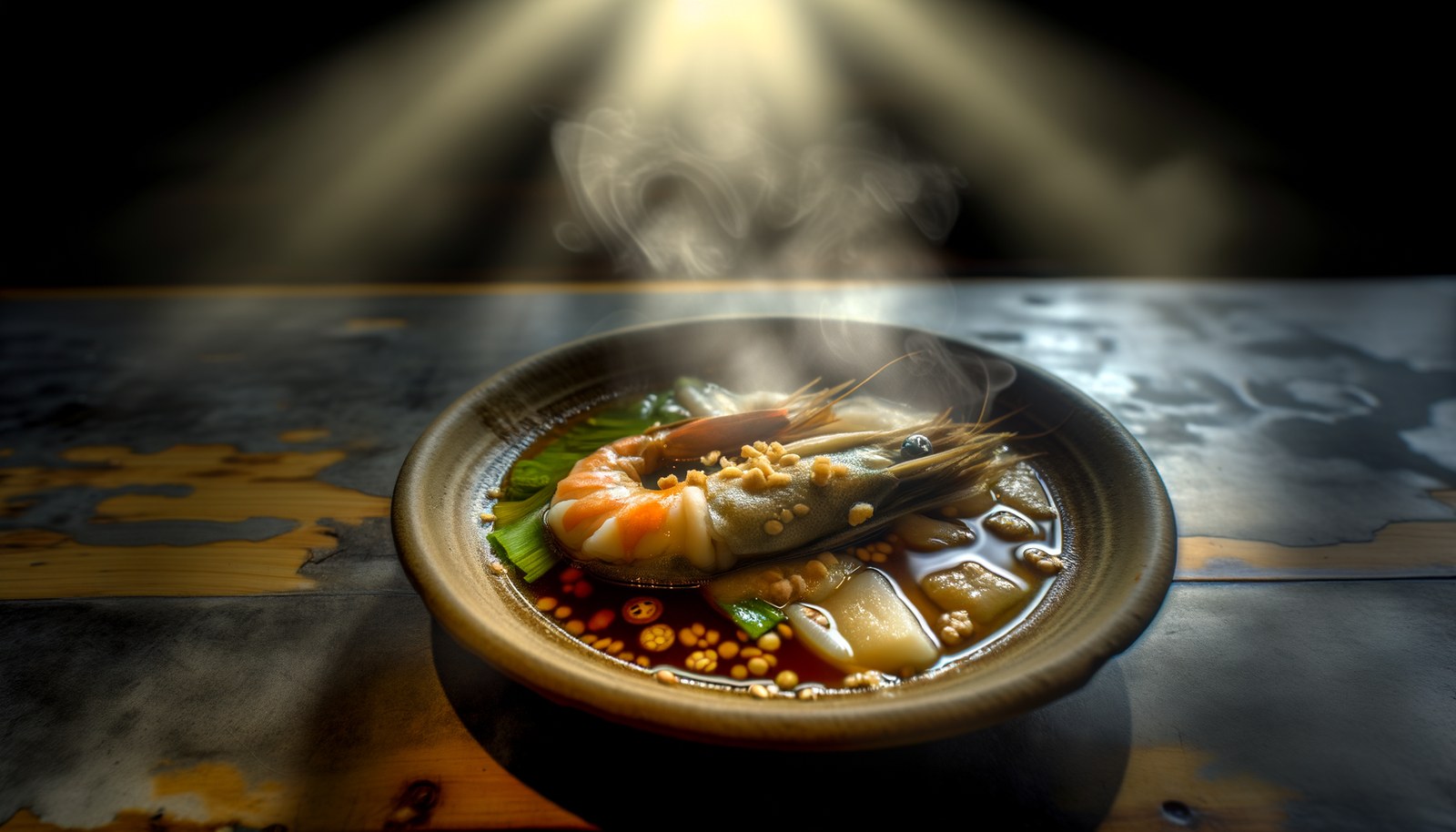
The tanks are the menu. What's swimming tells you more than any printed card ever will.
The tank near the door is a more honest menu than the card in your hand.
We test dishes so you don't have to. No spam — just the best food, neighborhood by neighborhood.