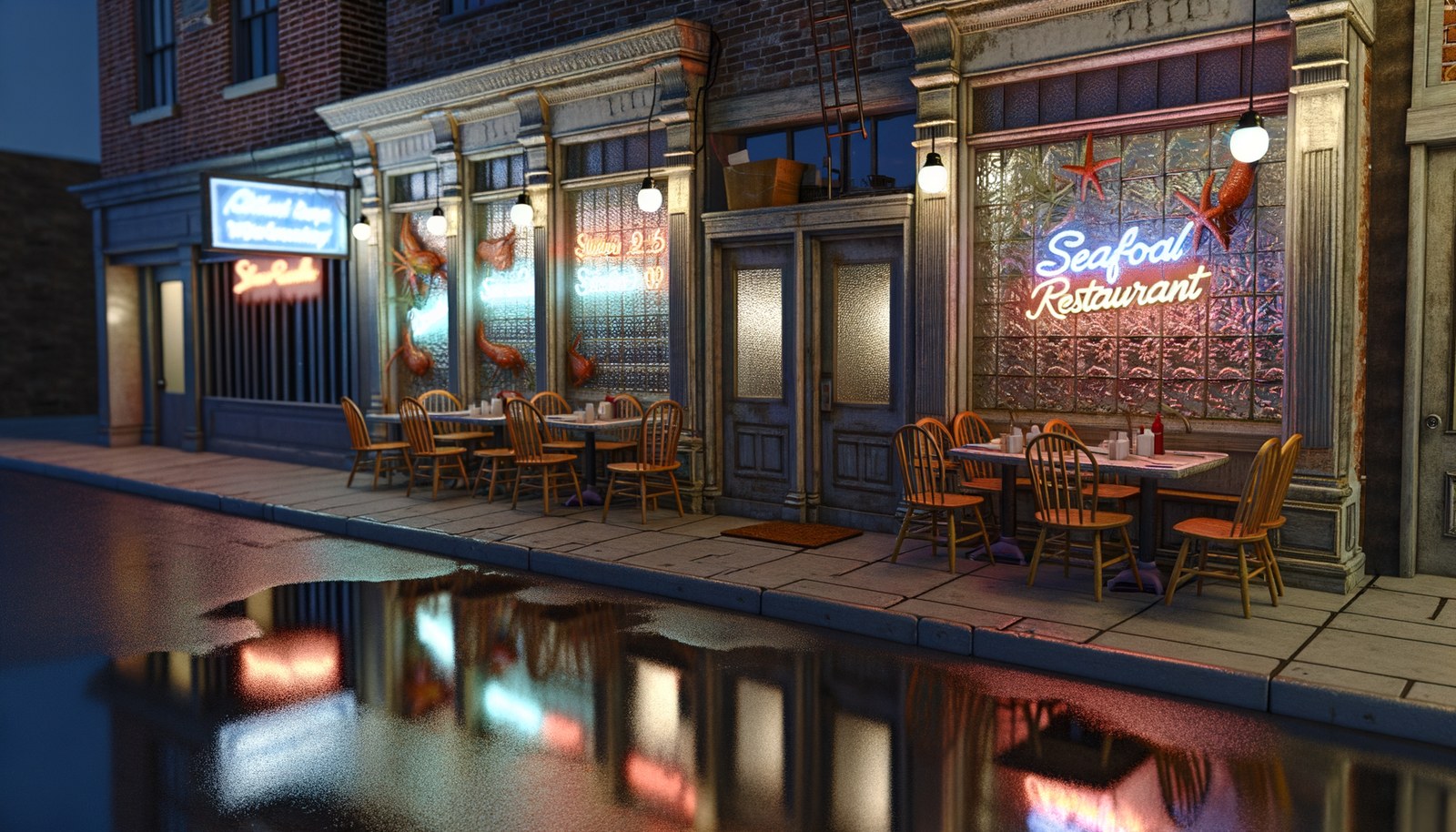
San Francisco · Polk Gulch
Polk Street has one famous seafood counter and a reputation that stops there. The street has more to say.
The Counter and the Line
Polk Street is a street that tourists know for one reason. They have heard about the counter with the line. They walk up Polk, see the queue, and stop — not because they researched it but because a line in San Francisco before noon on a Tuesday is a signal that something is working. The counter is Swan Oyster Depot. It has been open since 1912. It seats eighteen people on stools, takes cash, and closes when the fish runs out. The algorithm noticed it the first time we ran the data and has noticed it every time since.
What the tourist does not see is the block context. Polk Street runs from the Tenderloin edge up through Polk Gulch and into Russian Hill, and the seafood on this street is not just one counter. Swan Oyster Depot. Polk Street Fish. The Crustacean. Three different approaches to what a city near the Pacific should be doing with the water it is next to. The Depot is raw bar and chowder. The fish counter is whole fish, market-style, ceviche made that morning. The Crustacean is Dungeness crab in a garlic preparation that the kitchen has been refining for decades and will not fully explain.
The chowder at Swan is not a novelty. Clam chowder in San Francisco is ambient — every tourist trap in Fisherman's Wharf serves it in a bread bowl and means nothing by it. At the Depot the chowder is a structural part of the menu, made from a consistent base, and it scores in the high eighties on execution in our current data. The bread bowl is not on the menu. That is not an accident.
What the Data Shows
The pattern that surprised us was not Swan Oyster Depot scoring well. That was expected. The pattern was the gap between execution scores and value scores on the same street. The Depot executes at a level that justifies its prices and its line. The value math at some neighboring spots does not hold the same way. A po boy variant that was solid but not priced for the neighborhood it was in. An oyster flight that was competent and forgettable. The algorithm can see when a kitchen is cooking for the tourist assumption rather than the regular.
The regular is the real data point. The regular at Swan has been coming for years, knows the counter staff by name, and leaves before noon because that is when the line becomes a different kind of crowd. The regular at Polk Street Fish buys whole fish and knows the rotation by season. The regular at The Crustacean orders the crab and does not study the menu first. When the regulars stop coming, the scores drop. The algorithm notices that too.
Clams casino does not appear on Polk Street in 2024. Ceviche does — at the market counter, made from halibut or whatever citrus-tolerant fish is fresh, priced around thirteen dollars and worth the stop. The city's broader seafood scene leans toward the composed plate and the omakase progression. Polk Street is more direct than that. The fish arrives at the counter in the form it was caught, prepared with a minimum of interference, and served to someone who came for exactly that.
The Broader Block
Polk Street does not exist in isolation from its neighbor streets. The Tenderloin runs east, and the South Indian concentration there — documented separately in South Indian food Tenderloin San Francisco — is a reminder that San Francisco's most interesting food corridors are rarely the ones with the most press. Polk Gulch is a neighborhood that has been gentrifying and stalling and gentrifying again since the 1990s. The seafood counter that opened in 1912 outlasted several cycles of that. It is still there because it is still correct.
Nob Hill Cafe. Osteria Romantica. Pacific Cocktail Haven. The blocks around Polk Street hold other kitchens worth the walk, and the data we run on the Gulch more broadly shows a neighborhood that over-performs on execution and under-performs on press coverage. That is a familiar pattern in San Francisco — the Mission runs the other direction, where press coverage exceeds execution on a notable percentage of the block. The best Mexican food in the Mission District still justifies the trip, but the Polk Gulch seafood counter justifies it just as much and draws a shorter line on most days.
The city that prizes the tasting menu keeps walking past the counter that has been getting it right for decades. That is not a failure of the counter. ForkFox on Financial District dim sum found the same gap — rooms with decades of muscle memory that score above the new-opening noise. Polk Street's seafood is that same pattern, expressed as a cash-only stool and a bowl of chowder that has not needed updating since the Reagan administration.
What to Order and When
The practical answer for seafood on Polk Street San Francisco is this: arrive at Swan Oyster Depot before 11 a.m. or accept the line as the cost. The counter does not take reservations and will not. Order the West Coast oysters, which rotate by source and are identified on a board behind the counter. Order the chowder. If it is Dungeness season — roughly November through June — order the crab. The tab will be higher than you expect for a counter with no tablecloths. Pay it.
The ceviche at Polk Street Fish is a different trip. The market counter is open on weekday mornings and into the early afternoon. The fish is labeled by origin, which matters, and the ceviche is made that day, not held from yesterday. The whole fish option depends on the rotation. Ask what came in. The staff at a working fish counter knows the answer and will give it without theater.
At The Crustacean, the roasted Dungeness crab in the garlic preparation is the answer to most questions. The kitchen uses a technique the ownership has been refining since the restaurant opened, and the result scores in the high eighties on execution in our current data. The rest of the menu is competent. The crab is the reason. Order it and do not overcomplicate the table.
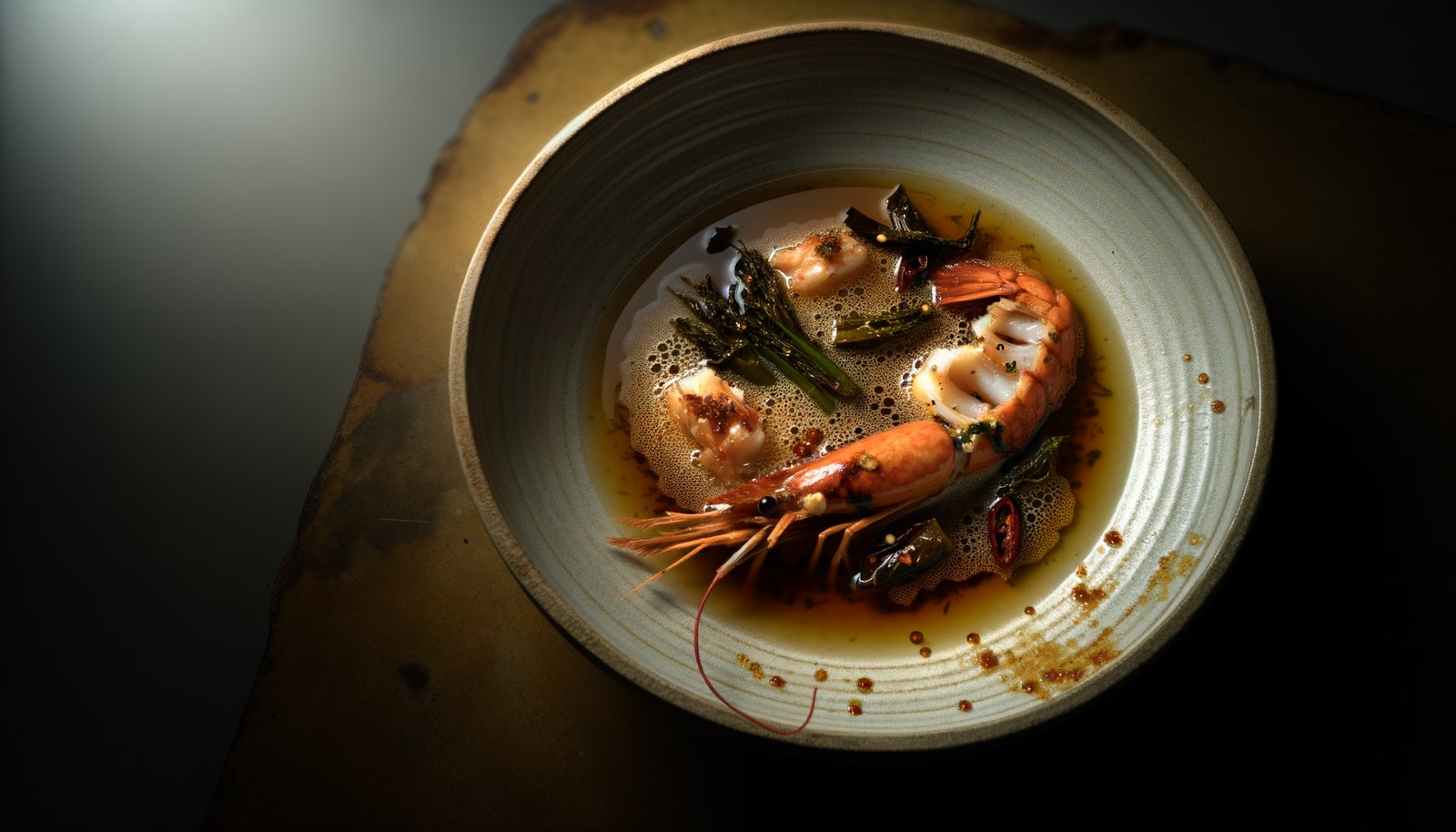
The city that prizes the tasting menu keeps walking past the counter that has been getting it right for decades.
The counter that has been right for a hundred years does not need a press moment to stay right.
We test dishes so you don't have to. No spam — just the best food, neighborhood by neighborhood.