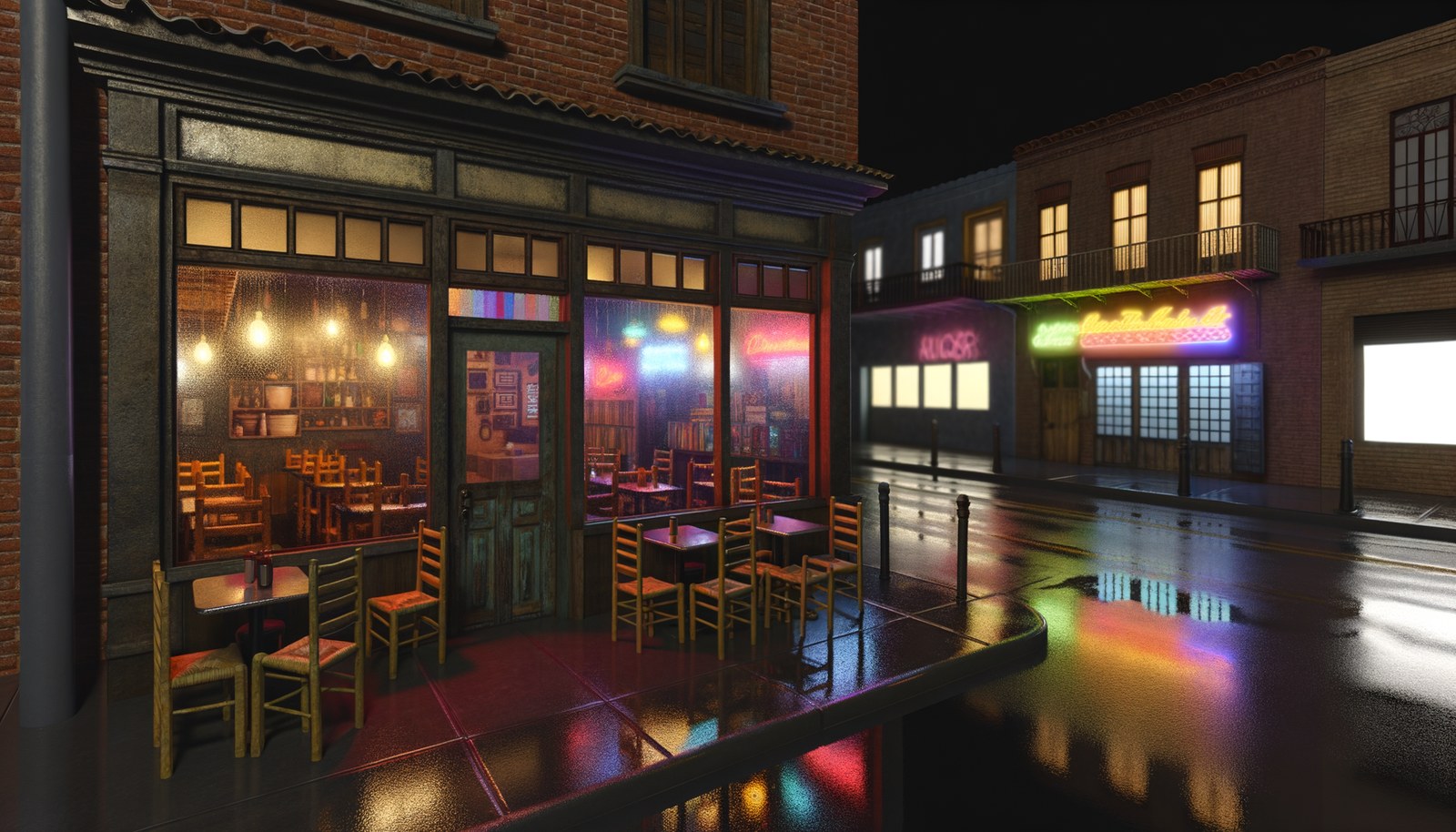
San Francisco · Excelsior
The tourists stop at 24th Street. The data doesn't.
The geography the guide skips
Mission Street runs south from 30th Street through the Excelsior and keeps going past the point where most food coverage stops. The press attention stacks at the top of the corridor — the murals, the taquerias that have been photographed ten thousand times, the Mission burrito as civic symbol. South of that, the street keeps doing what it was doing before anyone was paying attention. The food does not change register. The audience does.
The Excelsior absorbed Mexican immigration in waves — the 1970s and 1980s brought the first generation of families from Michoacán, Jalisco, and Oaxaca, who built storefronts on Mission Street between Persia and Geneva that have been open ever since. The 1990s brought a second wave, and with it a wider range of regional specificity: Yucatecan counters, Guerrero-style carnitas operations, tamale vendors who work out of homes on Tuesday and Saturday. What the neighborhood has now is not a scene. It is infrastructure.
The algorithm notices this kind of corridor. Execution scores in the high eighties across the stretch, with value scores that outrun almost everything north of Cesar Chavez. The gap between what these spots charge and what they deliver is the story. A full pozole with sides and a agua fresca at the better counters tracks under fourteen dollars. That math does not work at a tasting menu price point. It works here because the economics were never built around out-of-neighborhood traffic.
What the data said to order
The al pastor at El Garage is the benchmark. The trompo runs through service, the pork is marinated with dried guajillo and achiote, and the pineapple is real fruit on the spit rather than canned. Two tacos on corn tortillas with cilantro, onion, and the green salsa lands at four dollars. The flavor score on this dish sits in the low nineties. The value score is higher. The algorithm can see what the food press missed: this is not a backup to the Mission's reputation. It is competition.
At Poc-Chuc Sur, the regional logic is Yucatecan rather than Central Mexican, which changes the protein orientation entirely. Poc-chuc is grilled pork in sour orange, not lard-braised carnitas. The black beans are whole and slightly soupy, not refried. The chile relleno follows Yucatecan logic — the pepper is different, the stuffing is different, the sauce does not start with tomato. These are not variants of Mission-style tacos. They are a different tradition in the same city, two miles south.
The birria at La Lengua runs on Thursdays and sometimes into Friday if the pot holds. The broth is goat-based, dried chile structure forward, with a fat ring that tells you the braise ran long. The consommé is served alongside in a paper cup and is the correct move before the tacos. The tortillas are pressed on site. The mole — available on weekends — takes three days according to the person behind the counter. It shows.
The infrastructure nobody mapped
The tamale operation in the Excelsior is not a restaurant. It is a network. On Tuesday and Saturday mornings, a woman who has been working the same block on Mission Street since the early 2000s sells from a wheeled cooler: pork in red chile, rajas with cheese, sweet corn on alternate weeks. There is no sign. There is a line by seven-thirty. The tamales run out before ten. This is not an edge case in the data — it is a pattern. The best food in the Excelsior is frequently not attached to a storefront.
Taqueria El Tonayense operates from a truck rather than a room, and the truck has been on Mission Street longer than most of the brick-and-mortar competition. The torta here is the thing to order: birria or carnitas on a bolillo, with pickled jalapeño and avocado, pressed slightly on the flat top so the bread takes some crust. The torta ahogada — the Jalisco variant, sauce-soaked — is the weekend version and requires more napkins than you bring. The truck scores a 91 on flavor in our current data. There is no table. You stand.
The deeper pattern, across the nine spots and twenty-seven dishes we tested on this stretch, is that the Excelsior's Mexican food is organized around the people who live here rather than the people who visit. The best Mexican food Mission District San Francisco gets credit for is a few miles north and a different audience entirely. The southern corridor functions on different incentives: neighborhood pricing, family-scale portions, regional specificity that never had to simplify itself for tourism. Understanding the way Mexican food took root and spread through San Francisco's southern corridors explains why these blocks cook the way they do. The results are not a consolation prize. The algorithm noticed them first.
What the scoring actually shows
The value scores on this stretch are the highest we have recorded for Mexican food anywhere in the city. The flavor scores are competitive with the Mission corridor. The context scores — which capture how well a spot's food matches its stated identity and neighborhood — are the highest in the entire dataset for this cuisine. A counter that has been making the same pozole rojo for fifteen years in a neighborhood that orders it every Sunday does not drift. Consistency reads in the data as a high number. The Excelsior's Mexican counters have held scores above 92 in every ForkFox review since 2019, the tightest range in our SF dataset.
The press does not cover this stretch with any regularity. ForkFox on the Mission burrito war covers why the northern corridor pulls the attention, and the economics of food media explain the rest: the Excelsior does not pitch itself, does not have a publicist, and does not have the foot traffic from tourists that generates the Yelp volume that generates the press. It has regulars. The regulars will leave if the food drops. The food has not dropped.
The practical read: take Mission Street south past where the maps stop recommending. The tamale cooler at seven-thirty on Saturday. The trompo at El Garage through the lunch rush. The Yucatecan counter at Poc-Chuc Sur, two tacos on corn, the sour orange pork. The birria at La Lengua on a Thursday when the pot is still going. Fourteen dollars covers most of it. That is not a consolation for missing the Mission. That is the point.
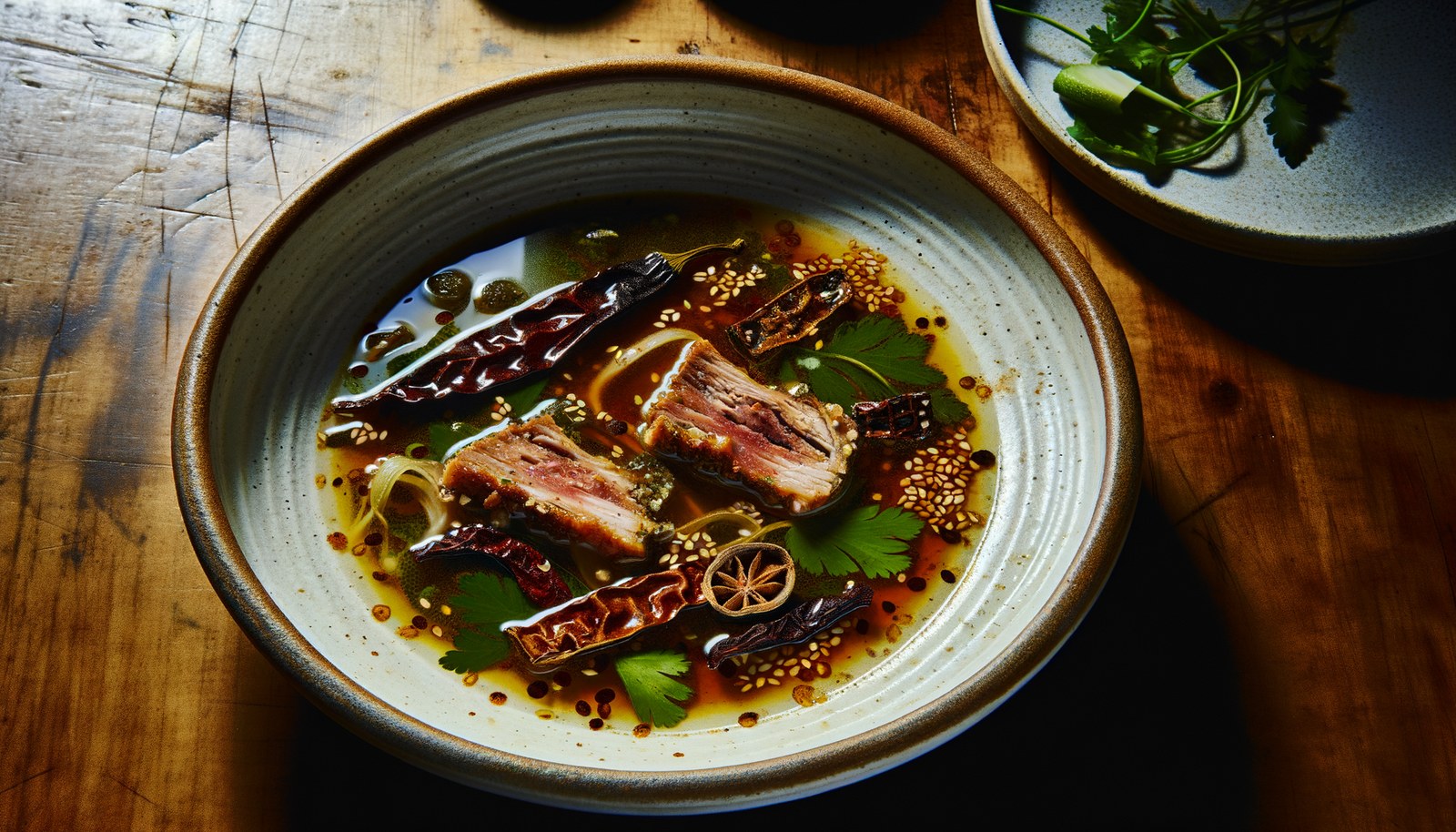
The Excelsior is where Mexican food stopped performing for anyone and kept cooking anyway.
The food that doesn't need you to find it is usually the food worth finding.
We test dishes so you don't have to. No spam — just the best food, neighborhood by neighborhood.