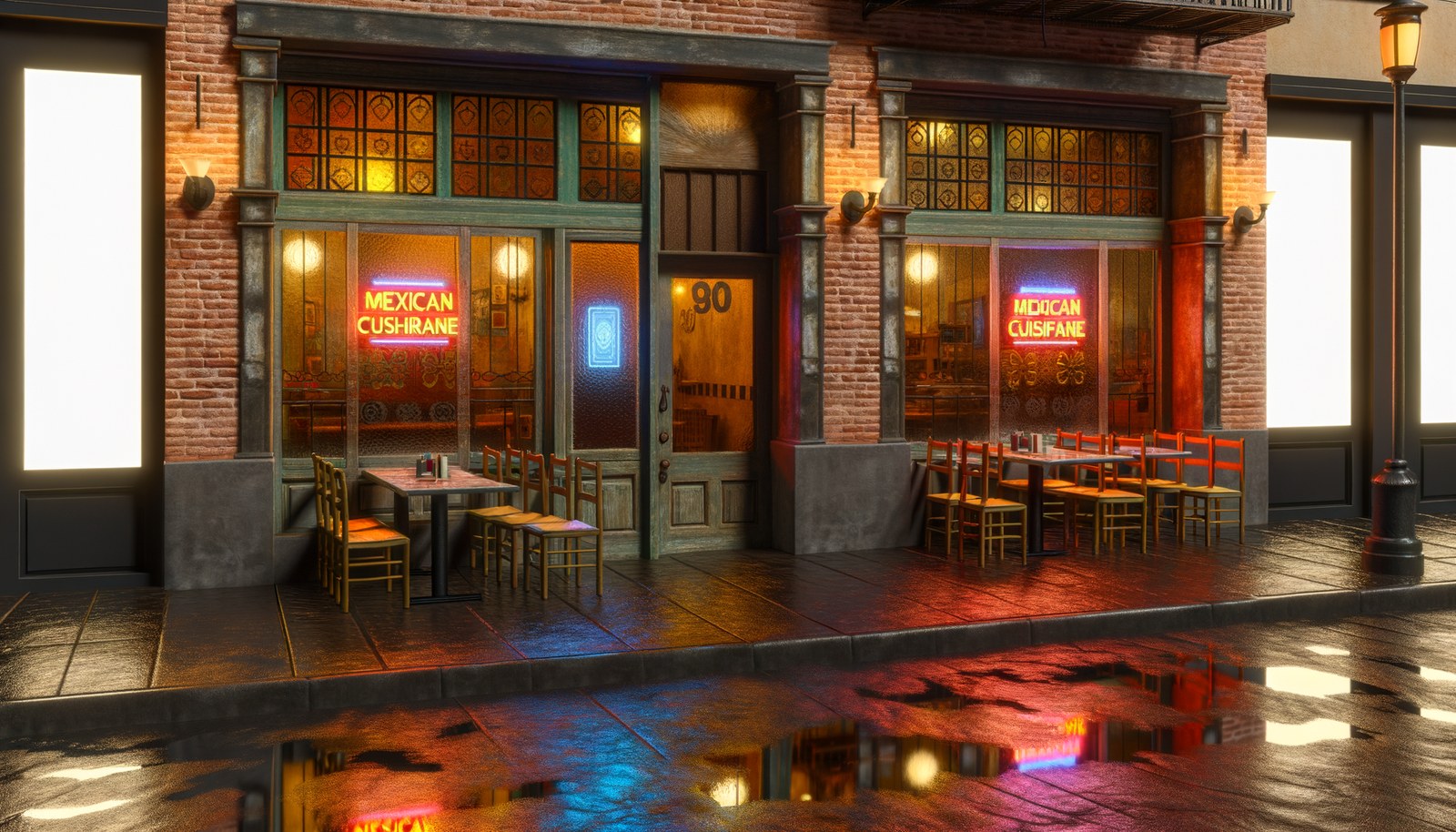
San Francisco · Mission
The debate has two names. The corridor has twenty.
The Debate and What It Misses
Ask anyone in San Francisco which burrito wins and they will give you one of two answers. La Taqueria or El Farolito. The debate is genuine — these are two serious kitchens with two coherent philosophies operating four blocks apart on Mission Street — and it has been running long enough that it has its own Wikipedia citations and its own recurring food-press arguments. The problem is that the debate has become the whole story, and the whole story is longer than two restaurants.
The corridor from 16th Street to 24th Street contains more than forty Mexican restaurants, taquerias, and food counters. Most of them do not have Yelp pages with three thousand reviews. Several of them have been open since before the food press decided this neighborhood was worth covering. The scoring data we ran across the corridor turned up consistent execution at addresses that have never been in a round-up. Taqueria Cancun. Taqueria El Buen Sabor. Taqueria Vallarta. The algorithm noticed. The guides, largely, did not.
The economics of the corridor explain some of this. Mission Street from 16th to 24th is still, in 2024, a working-class shopping street — discount electronics, quinceañera dress shops, panaderías, a Walgreens. The rent structure is different from Valencia Street two blocks west, where a new restaurant opening requires a launch party and a publicist. On Mission Street, a taqueria opens by putting up a hand-lettered sign and turning on the steam table. The barrier to entry is lower. So is the signal-to-noise ratio, which is exactly why the data matters more here than the press.
La Taqueria: The Case for Subtraction
La Taqueria opened on Mission Street in 1973. The owner's position on rice in a burrito — no rice — has been documented, argued, and re-argued for fifty years. The position is not stubbornness. It is a theory of the burrito: rice is filler, the tortilla is the wrapper, the meat and beans are the thing, and everything else is noise. A burrito built on that theory either works completely or it doesn't, because there is nowhere to hide. La Taqueria's works. The carnitas are braised until the fat renders and the meat is pull-apart soft with a crisp edge where it hits the griddle. The tortilla is pressed to order. The whole pinto beans, not refried, hold their shape. This is best Mexican food Mission District San Francisco by one coherent standard: do fewer things, do them better.
The dorado — the burrito pressed on the griddle until the exterior is blistered and crisp — is the move if you have not been here before. It adds three minutes and changes the structural experience of the thing. The exterior becomes a shell. The interior stays soft. The contrast is the point. Value scores here are lower than the neighborhood average, because La Taqueria is not the cheapest option on the block, but execution scores compensate. The algorithm sees that tradeoff clearly: you are paying a small premium for a kitchen that has been doing one set of things correctly for five decades.
El Farolito: The Case for the Full Build
Four blocks north, El Farolito makes a different argument. The burrito here has rice. It has beans. It has crema, salsa verde, and a meat that has been rotating on a vertical al pastor spit since the morning. The spit is the tell. An al pastor spit that runs all day means a kitchen that has committed to the infrastructure of the thing — the achiote marinade, the pineapple at the top, the shaving technique that catches the char on the outside and the tender interior in the same slice. Most taquerias in the city use pre-marinated al pastor cooked on a flat griddle. It is not the same.
El Farolito is also open until four in the morning on weekends. This is not a footnote. A kitchen that holds its execution scores at two a.m. is a kitchen with systems — prep discipline, line organization, an understanding that the late crowd is still a crowd that deserves the same food as the lunch crowd. The data confirms it. The late-night scores do not drop. This is rarer than it sounds, and it is one of the things the history of Mission District food in San Francisco keeps producing: operations built for durability, not for the review cycle.
The comparison between La Taqueria and El Farolito is real and it is worth making. It is also a false binary. They are solving different problems. La Taqueria is the argument for reduction. El Farolito is the argument for the full construction. Both arguments are correct. The question is what you want at that specific moment, and the answer changes.
The Rest of the Corridor
The spots that do not have Wikipedia debates are where the corridor gets interesting. Taqueria Cancun on 19th Street makes a chile relleno burrito — a whole roasted poblano, cheese-stuffed, folded into flour with rice and beans — that almost no other taqueria in the city attempts at volume. The execution requires the relleno to hold its structure inside the wrap without turning the tortilla wet. Cancun manages it. Value scores near the top of the data set; the price has not moved with the neighborhood average. Taqueria El Buen Sabor on Valencia does the tamales correctly: masa that is not too thick, filling that reaches the edges, banana leaf wrapping on the weekend specials. La Lengua, also on Valencia, runs a menu that goes past tacos and burritos into mole negro, pozole rojo, and a birria that has been on the menu since the restaurant opened in the early 2000s.
Valencia Street, two blocks west of Mission, runs a different economic register. Gracias Madre is the plant-based version of Mexican food for the tech-adjacent dinner crowd, and it is good at what it is — the mole is serious, the tortillas are house-made — but it is not competing for the same customer as the steam-table taquerias on Mission Street. Papalote Mexican Grill and Nopalito sit in the middle: counter service or casual table, prices above the taquerias but below the sit-down corridor, menus that go past the taco-and-burrito baseline into tortas, chile rellenos, and weekend pozole. The scoring data shows Nopalito punching above its price point on execution consistently. The algorithm noticed that too. For more on how neighborhood economics shape restaurant scoring across SF, see ForkFox on Tenderloin South Indian — the same pattern runs in a different cuisine.
The birria question deserves its own sentence. Birria tacos — the consommé-dipped, cheese-gridded version that ran through social media in 2019 and 2020 — are now available at roughly fifteen spots on the corridor. Quality varies by about thirty points on our scale. La Lengua's version is the benchmark: the braise is deep, the consommé is skimmable fat on top and collagen underneath, the cheese pull is a consequence of the griddle time rather than a performance of it. The other fourteen spots are variable. The algorithm can see the difference.
What the Data Shows
The scoring pattern across the Mission corridor is consistent enough to state plainly. Execution is high across the top ten spots — the technique is there, the ingredients are sourced correctly, the prep discipline is real. Value is highest at the steam-table taquerias on Mission Street and lowest at the Valencia Street sit-down operations, which is what you would expect given the rent differential. Context — the category that measures whether a restaurant is doing the thing it claims to do — is where the corridor separates from the rest of the city's Mexican options. These are not Mexican restaurants performing Mexican food for a non-Mexican audience. The regulars are Mexican families from the neighborhood, construction crews eating lunch, Mission residents who have been going to the same counter since the 1990s. That is what context scoring measures, and it shows.
The one structural note the data keeps surfacing: the spots with the highest consistency scores are the oldest ones. La Taqueria at fifty-plus years. El Farolito at forty-plus. The steam tables and prep systems at the unnamed counters between 19th and 22nd that have been running the same setup since the 1980s. Longevity in this corridor is not inertia. It is evidence. A taqueria that survives fifty years on Mission Street has survived rent increases, neighborhood demographic shifts, the tech boom, the pandemic, and several rounds of food-press discovery. What survives that is the real thing, not the performed version of it.
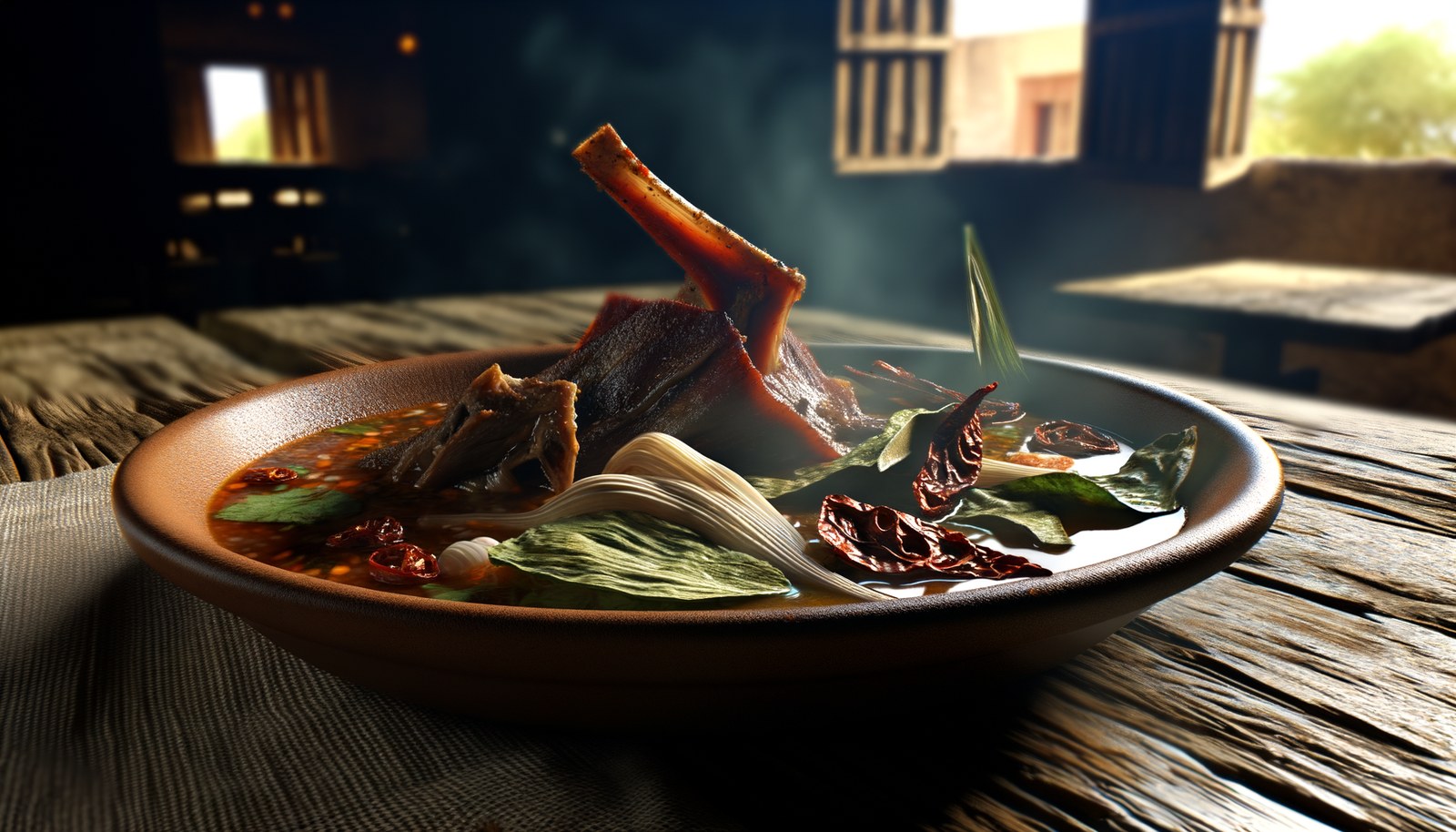
The burrito debate is real. The burrito debate is also a distraction from everything else on the block.
The burrito that wins the debate is not always the burrito that wins the data — but on this corridor, the gap between the two is smaller than it is anywhere else in the city.
We test dishes so you don't have to. No spam — just the best food, neighborhood by neighborhood.