San Francisco · Glen Park
Glen Park is the neighborhood that doesn't explain itself. The brunch is the same way.
What Glen Park Brunch Actually Is
The first thing to understand about Glen Park is that it did not ask for your attention. The neighborhood sits in a fold of the city, south of the Castro and west of Bernal Heights, with a BART station that lets residents leave without a car and a commercial strip that has never tried to perform itself for tourists. Diamond Street runs north–south. Chenery Street cuts across it. That intersection is the center of the food scene. There is no other center.
Brunch here is not the brunch of Hayes Valley or the Marina. There are no $28 grain bowls with microgreens invoiced separately. The economics work differently in Glen Park — the rents track the residential market, not the destination-dining market, and so the food follows. Full plates under twenty dollars are the norm. Coffee is the coffee. The room is the room.
What the data shows is that value scores in this corridor run high and consistent. Flavor scores are more variable, which is to say that the good places are genuinely good and the mediocre ones are genuinely mediocre. Glen Park does not have the averaging effect you get in neighborhoods where every restaurant is propped up by foot traffic and tourists who don't know the difference. The regulars here know exactly what they're getting, and they leave if it drops.
Diamond Street: The Bakery and the Counter
Glen Park Bakery is the first stop on Diamond Street for the people who live here and the only stop for the people who have heard about it. The pastry case rotates. That sounds like a marketing line; it is actually a structural fact about how the kitchen operates. The quiche comes in different compositions week to week — vegetable, ham, whatever arrived from the supplier. The croissants are made in-house and they sell out, which means the only way to get one is to arrive before the neighborhood's late sleepers do.
La Lengua is two blocks south on Diamond and it is the room that surprises people most in our data. The cuisine is Colombian-inflected, which means brunch is not pancakes and it is not avocado toast. It is arepas and eggs and huevos pericos — scrambled eggs cooked with scallion and tomato, a technique that sounds simple and tastes like someone paid attention. The flavor score on the pericos is in the high eighties. At the price point it lands, the value score is higher.
Destination Bar & Grill is the functional anchor of Diamond Street in the way that a bar with a kitchen is always the functional anchor of a neighborhood commercial strip. It is open when other places are not. It serves food when other places have stopped. The brunch is not the reason you come to Destination, but it is reliable in the way that the neighborhood relies on it — the eggs are correct, the portions are large, and the check is not an event.
Chenery Street: The Sit-Down and the History
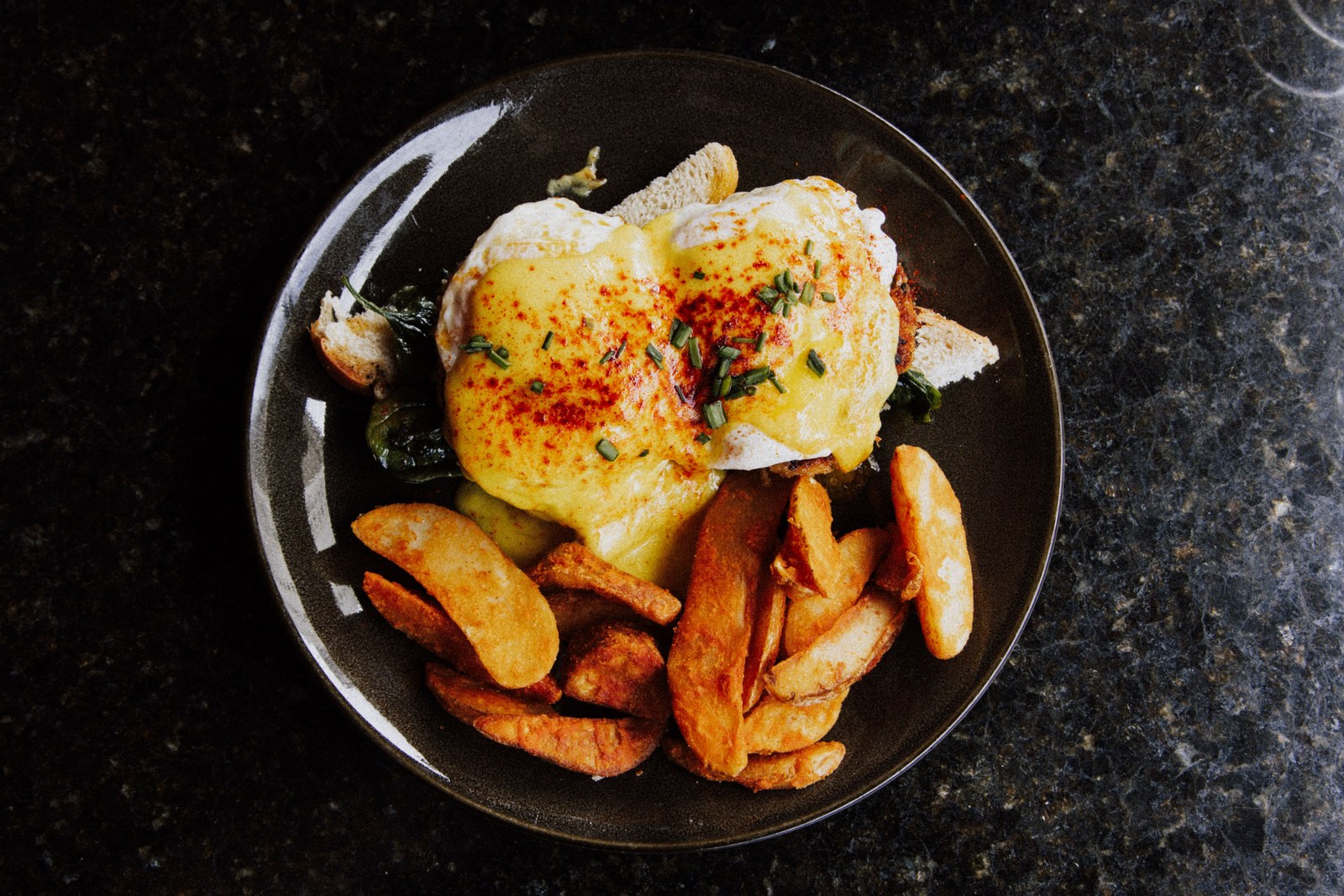
Chenery Park is where the neighborhood goes when it wants to eat slowly. The restaurant occupies a converted space on Chenery Street and has been running weekend brunch for long enough that the regulars treat it as a standing appointment rather than a restaurant choice. The menu is short. The eggs Benedict is made with house-cured meat — not a protein substitution listed on a chalkboard, but a curing program that runs in-house and produces a different texture and salinity than the deli-ham version you get everywhere else.
The Bloody Mary at Chenery Park is built rather than poured. This distinction matters. A Bloody Mary that is built has ratios; one that is poured has approximate volume. The kitchen here has been making the same version long enough that it is consistent from table to table and weekend to weekend. That kind of repetition is what separates a good bar drink from a reliable one. Chenery Park has the reliable one.
Glen Park's food history doesn't have a single immigration wave that reshaped it the way the Tenderloin's South Asian corridor reshaped 6th and O'Farrell in the 1970s and 1980s. See ForkFox on Tenderloin South Indian for what that kind of concentrated arrival produces over four decades. Glen Park arrived at its current character more gradually — a working-class residential neighborhood that attracted the service workers and tradespeople who couldn't afford the Castro, then the young families who couldn't afford Noe Valley, and eventually a restaurant strip that serves the people who actually live there rather than the people who come to look at it.
How Glen Park Compares to Its Neighbors
The neighborhoods that bracket Glen Park brunch-wise are Cole Valley to the north and Bernal Heights to the east. The brunch scene in Cole Valley runs more polished — higher check averages, more produced rooms, a clientele that includes more transplants who are still performing their San Francisco life rather than living it. Brunch in Russian Hill operates in a different economy entirely, compressed between tourist geography and tech-money residential expectations. Glen Park sits outside both of those pressure systems.
Bernal Star is technically Bernal Heights, not Glen Park, but the customer base overlaps enough that it belongs in this conversation. It is a bar with a brunch program, which means it operates on a different clock than a bakery or a full-service restaurant. The food is approachable and the patio is functional. The algorithm sees it as a value play with weaker execution scores than the Diamond Street corridor — useful to know if you are deciding between the two neighborhoods on a Saturday morning.
The pattern that holds across the Glen Park data is that this is a brunch scene built for return visits, not first impressions. The rooms are not Instagrammable. The menus are not reactive to trend cycles. The cooks have made these dishes enough times to know exactly what they're doing, which produces a floor — a minimum quality below which things don't fall — that is genuinely higher than what you get in neighborhoods where the kitchen turns over every eighteen months chasing whatever is currently performing on social.
The Principle That Runs the Whole Corridor
There is a version of the San Francisco brunch story that is entirely about the Mission and its weekend lines and its $18 chilaquiles and the forty-minute wait for a table that seats four. Glen Park is not that story. The wait at Glen Park Bakery is however long it takes you to walk to the counter. The wait at Chenery Park is a reservation made two days in advance, not two weeks. The Diamond and Chenery corridor does not generate cultural content about itself. It generates breakfast.
The scoring pattern here rewards consistency over spectacle. A kitchen that has made the same arepas every Saturday for six years scores higher on execution than a kitchen that launched a new brunch concept last spring and is still ironing out the timing. Novelty has a value; it just isn't the value that Glen Park trades in. The neighborhood already knows what it wants. The restaurants have learned to provide it.
What the data cannot capture is the quality of not being bothered. Glen Park brunch does not perform wellness at you. It does not have a juice program or a grain rotation or a server who explains the sourcing of the butter. It has food and a table and a neighborhood that decided a long time ago that was enough.
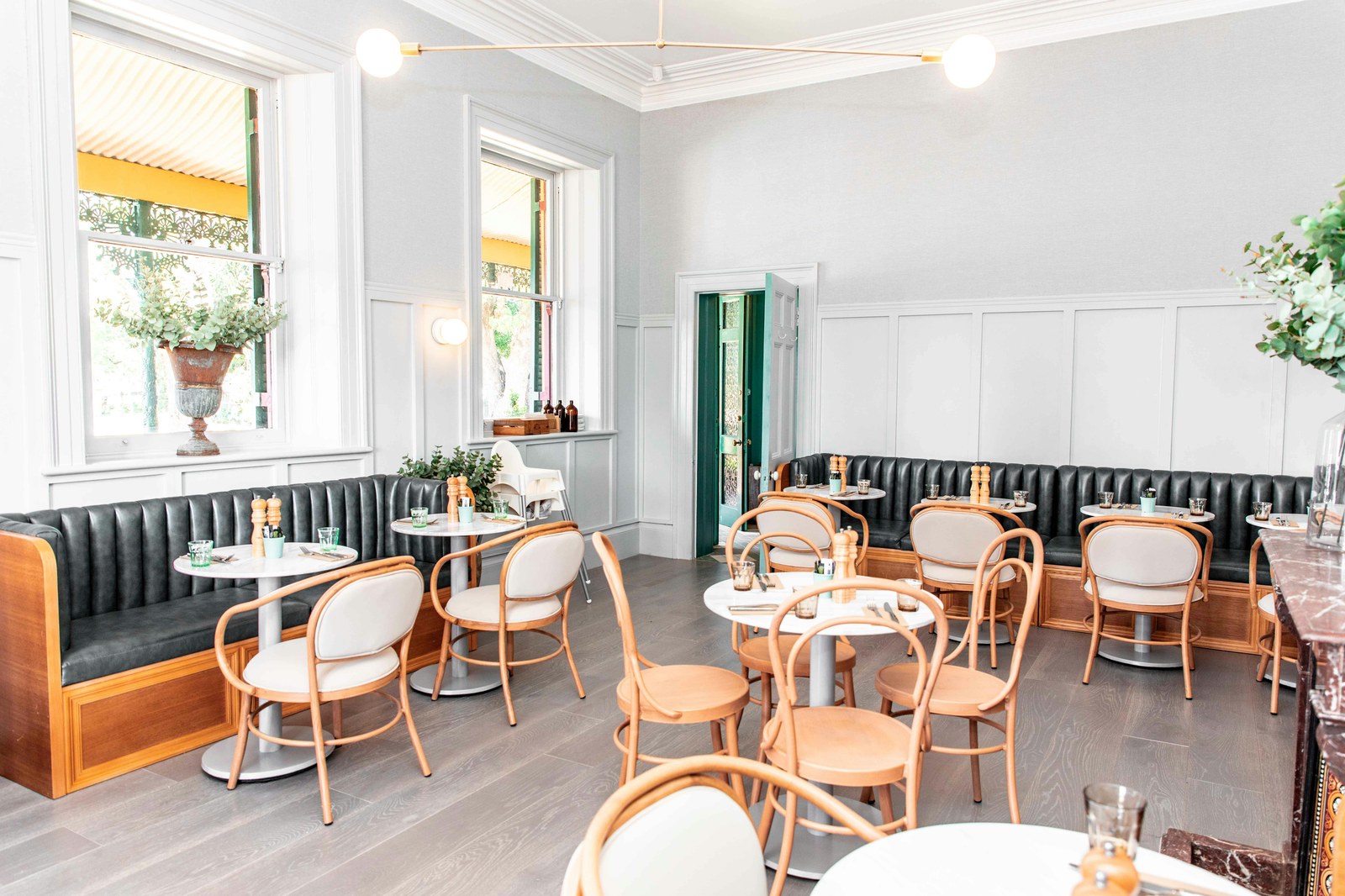
The lines are short. The food is not.
A neighborhood that doesn't need to explain its food has already figured out what the food is for.
We test dishes so you don't have to. No spam — just the best food, neighborhood by neighborhood.