San Francisco · Russian Hill
Russian Hill does not perform for the brunch crowd. It just feeds it. Here is what the data shows when you score the neighborhood on its own terms.
What Polk St and Hyde St Are Actually Doing on a Saturday Morning
Polk Street does not market itself. The storefronts are low-key, the signage is old, and the line management is a dry-erase board propped against a host stand. A visitor looking for a branded brunch experience with a DJ set and $22 cocktails will not find it here. That is the point. Russian Hill brunch is a neighborhood function, not a tourism product, and the economics of the block reflect that clearly.
Hyde Street intersects all of this at Union and runs down the cable car line with a different energy — slower, more residential, the kind of block where the coffee shop knows your order before you reach the register. The two streets together form the spine of the neighborhood's morning economy. Between Polk and Hyde, from Union to Broadway, the concentration of weekend brunch covers is higher than the neighborhood's profile would suggest, and the quality-to-price ratio scores in ranges the algorithm does not typically log for a corridor this quiet.
The history here is working-class and then real-estate-captured and then, slowly, returned to something resembling the original function. Russian Hill absorbed Italian and Irish families through the 1940s and 1950s, built a block economy on Polk Street that ran butcher shops, delis, and coffee counters, and then watched that economy shift in the 1990s toward bars and restaurants serving a younger, wealthier tenant base. What remains is a street that has been gentrified but not hollowed out. The brunch spots are expensive by the standards of 1958. They are reasonable by the standards of 2024 San Francisco.
Where the Scores Land and Why
The brunch program at Verbena is the clearest data point on the block. The kitchen runs a biscuit that is laminated rather than dropped, which is a technical distinction that matters in the final texture. The egg dishes use sourced yolks — the color is obvious, the flavor difference is real. Scores on execution land in the high eighties. Value is tighter; the check runs higher than the room suggests it should, and first-time visitors register surprise. Regulars do not. They have already done the math.
Pesce is the oldest Italian fish restaurant on Polk and runs a weekend brunch that does not translate to tourist shorthand easily. The frittata is the thing. It comes in a cast iron that is still active when it reaches the table, with a crust on the bottom that requires a serrated knife. The anchovies are Sicilian. The menu says Sicilian; the anchovies confirm it. The algorithm noticed a value score that outpaces the flavor score by a small but consistent margin — which means the kitchen is pricing honestly, not aspirationally.
On Hyde, Swensen's operates on entirely different logic. It has been on the corner of Hyde and Union since 1948. The brunch is real but secondary; the institution is the draw. The ice cream comes out at any hour, the booths are original, and the staff have the specific authority that comes from knowing the building better than the menu. Scoring Swensen's on brunch alone misses the point. The algorithm scores context separately. Context here runs into the nineties.
The BYOB Question and the Coffee Economy
Russian Hill does not have a BYOB brunch corridor. That is a Mission and Outer Sunset structural feature — see best Mexican food Mission District San Francisco for how that economy actually works on a weekend morning. What Russian Hill has instead is a coffee economy that is more serious than the neighborhood's reputation suggests. The independents on Polk are running equipment that signals intent. Caffe Sapore has been on the block long enough to be invisible to anyone who moved here after 2015, which means it is exactly the kind of place the algorithm finds when it looks past the press-covered openings.
The morning check at most Russian Hill brunch spots runs between $22 and $38 per person before tip, which places it above the Tenderloin — where South Indian food Tenderloin San Francisco pencils out at a fraction of that — and below the Financial District's weekend hotel brunch economy. The ForkFox data on Financial District weekend dining is covered in detail; see ForkFox on Financial District dim sum for how that neighborhood's morning economics compare. Russian Hill sits in a middle band: not a value destination, not a splurge destination, but a consistent-quality destination that the neighborhood protects by not advertising.
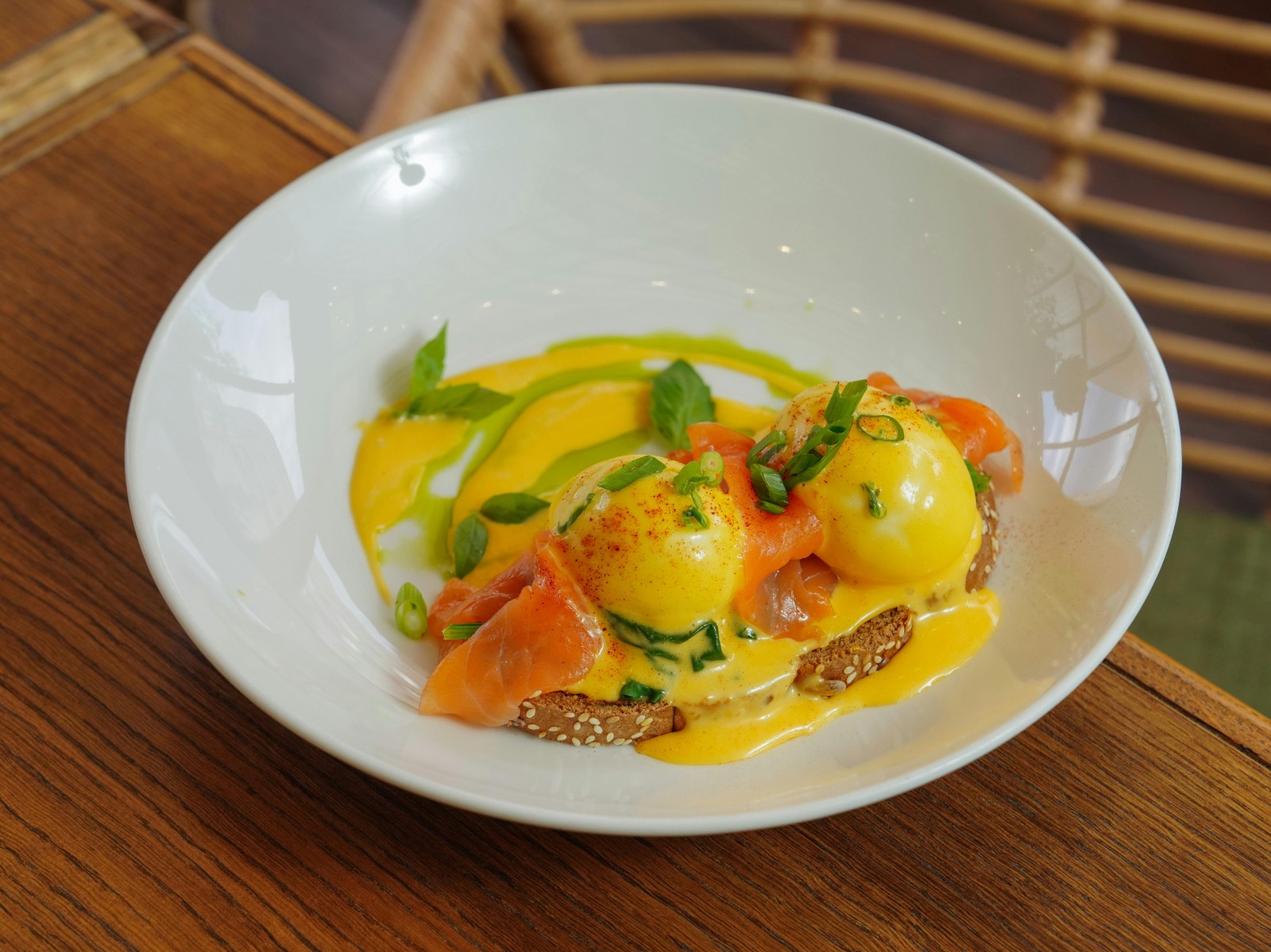
Frascati is the other anchor worth naming. It runs a small dinner-converted-to-brunch menu on weekends that reflects what the kitchen actually does well rather than what a brunch guest expects to see. The potato hash is built from the dinner prep — roasted the night before, crisped to order. The eggs Benedict has hollandaise that holds. These are not dramatic observations. They are reliable ones, which is what the algorithm registers when it scores consistency across multiple visits.
What the Data Misses and What the Block Corrects
Russian Hill brunch does not have a single breakout restaurant the press can build a trend piece around. There is no debut chef, no tasting-menu-turned-brunch concept, no design moment that photographs well for a magazine spread. What there is: a block that has been feeding the same zip code for long enough that the restaurants have absorbed the neighborhood's tolerance for quality and its impatience with theater. The tables turn at a pace that reflects working households, not leisure tourism.
Gary Danko does not run brunch. That matters as a data point. The most decorated room in the neighborhood has made a structural decision to stay out of the weekend morning market, which pushes the brunch economy toward the mid-tier operators who have more flexibility and less pressure to protect a dinner reputation. The result is a corridor where the mid-tier performs at a higher level than the neighborhood's Michelin history would predict. The algorithm notices this pattern across cities: when the flagship opts out, the secondary operators fill the gap with higher consistency.
The walk from Hyde to Polk on a Saturday morning — down Macondray Lane, past the wooden staircase that the neighborhood uses as a shortcut from Green Street — is the correct order of operations. Arrive on Hyde, get coffee, walk to Polk for food. The cable car on Hyde runs early. The line at Verbena builds fast. The neighborhood does not wait for you to get oriented. It is already on its second cup.
The neighborhood feeds locals first. The algorithm noticed.
The neighborhood that does not market its brunch is the neighborhood whose brunch is worth finding.
We test dishes so you don't have to. No spam — just the best food, neighborhood by neighborhood.