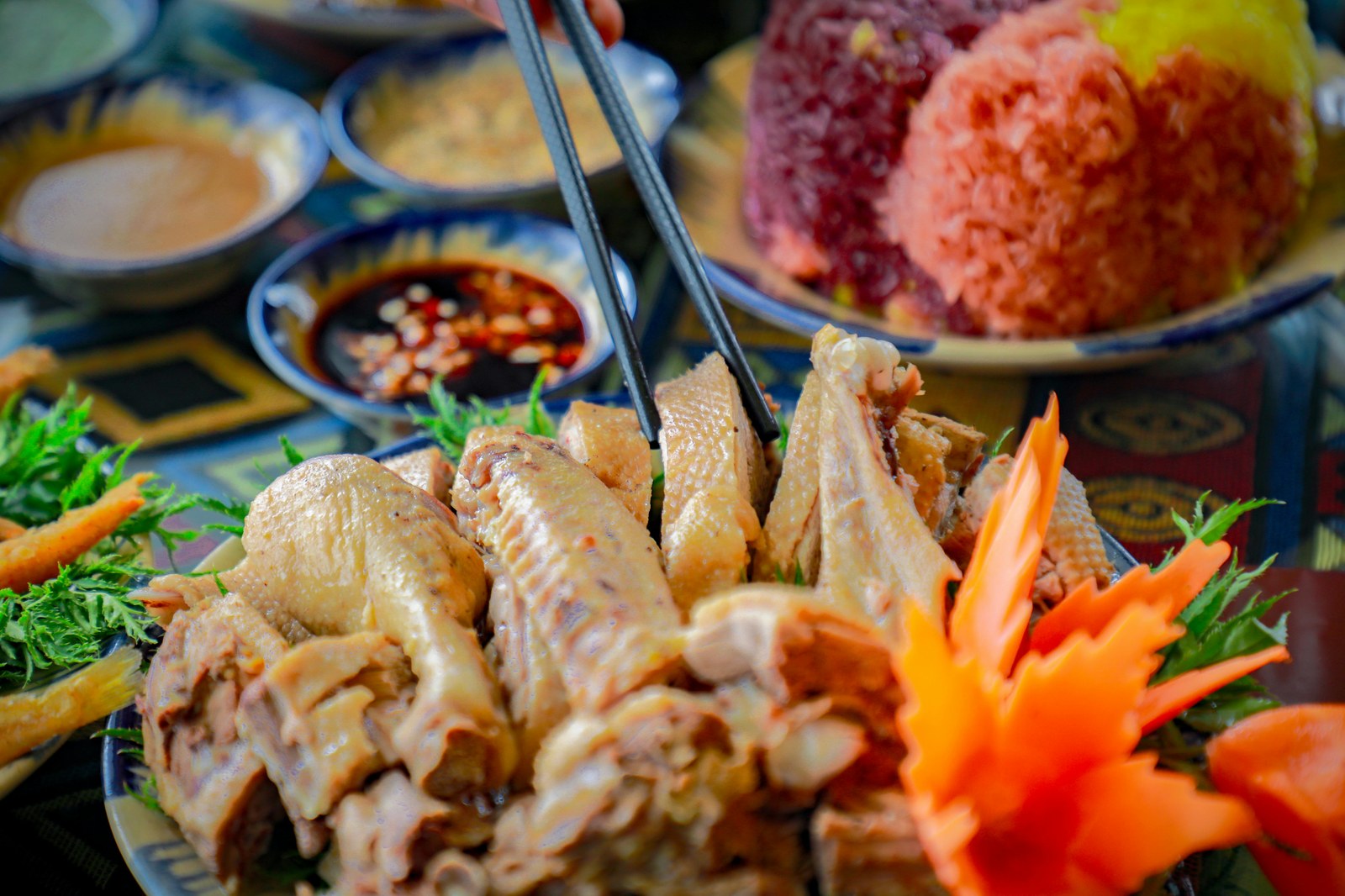
San Francisco · Inner Sunset
The fog comes in off the Pacific and the fog goes out. The restaurants on this six-block stretch of Irving Street stay open either way.
What Irving Street Actually Is
The Inner Sunset has an identity problem that works in its favor. It is not the Mission. It is not Hayes Valley. It does not have a marketing budget or a PR firm on retainer, and the restaurants on the six blocks of Irving Street running from 7th to 12th Avenue have not needed either. They have been feeding the neighborhood for decades — fog-season and sun-season alike — and the regulars know exactly where they are going.
The food corridor here runs Asian in a way that is specific and unstated. Thai next to Japanese next to Chinese-American next to Vietnamese, with a Cantonese bakery filling the gap and a Korean grill tucked on a side block. There is no organizing theme beyond the fact that the food is consistent, the prices are honest, and the dining rooms are not trying to perform anything for anyone. The algorithm noticed this corridor before the food press did. The scores have been high for a long time.
The history here is tied to a physical corridor, not an abstraction. Japanese American families began returning to the Sunset after the internment dispersal of the 1940s; Vietnamese and Chinese families arrived in the 1970s and 1980s, many via the Tenderloin and the Richmond before the Inner Sunset rents made more sense. The storefronts those families built along Irving between 7th and 12th Avenue are not heritage sites. They are open restaurants. That is the better version of preservation.
Yukol Place and What a Neighborhood Restaurant Actually Means
There is a version of the Inner Sunset food story that starts with Yukol Place and does not need to go anywhere else. The Thai kitchen on Irving has been running long enough that the menu has no surprises — and that is the point. The pad see ew arrives with wok hei that is not decorative; the noodles have actual char on them, which requires a burner running at temperatures that most domestic kitchens cannot reach and most restaurant kitchens do not bother with. The prik khing is dry-sautéed green beans with red curry paste and pork, and it is one of the better preparations of that dish in the city. The curry puff is a flaky hand-held triangle that arrives hot and costs less than four dollars.
The economics work like this: the room is small, the menu is focused, the prices have not tracked with the Hayes Valley or the Mission surge, and the result is a restaurant that scores in the high eighties on flavor and even higher on value. It is cash only and BYOB, which are not novelties here — they are structural facts that keep the margins workable and the prices where they are. The regulars understand this arrangement. They bring a bottle of something cold from the corner store and they do not complain about the check.
Beque Korean Grill and San Tung round out the mid-corridor anchors. San Tung's dry-fried chicken wings have a following that is not explained by press coverage; the restaurant does not have much. The following is explained by the wings, which are sticky, deeply lacquered, and built for sharing across a table of four. The algorithm noticed a gap between the press score and the data score here. The data score is higher.
The Japanese Counter and the Vietnamese Block
Hotei sits on 9th Avenue with no sign visible from Irving Street. The ramen is Tokyo-style shoyu — clear amber broth, careful fat distribution, chashu that holds structural integrity rather than falling apart on contact with the bowl. The room fits fourteen people. There is a wait on weekday evenings that is not reflected in any reservation app because there is no reservation app. The scoring pattern here is consistent: execution and context both land in the upper range; the value score is high because the bowl costs under sixteen dollars and has no peer in the neighborhood at that price.
The Vietnamese presence on this stretch runs quieter than it does in the Tenderloin or the Richmond, but it is not absent. The corridor has sustained pho and bánh mì operations across multiple business cycles, and the kitchens that have lasted are the ones that did not try to explain themselves. They made the broth, they baked the baguette, and the regulars came back. That pattern — repetition as quality control — is what the data keeps surfacing when we run the Inner Sunset numbers.
For a different frame on SF's Asian food geography, see our piece on South Indian food Tenderloin San Francisco, where a different immigrant corridor built a different kind of density, and the economics look different again.
What the Data Shows and What the Street Confirms
The pattern across this stretch of Irving Street is not about any single cuisine. It is about a neighborhood that has maintained enough residential density, enough foot traffic from UCSF and from the park, and enough rent stability relative to the rest of the city to keep independent operators running kitchens without pivoting to the tasting-menu economics that have reshaped other corridors. Outerlands and Arizmendi Bakery are the Western anchors on this stretch; they are not Asian food, but they are part of the same structural story — an independent operator culture that survived the last fifteen years without a private equity backstop.
The comparison to other SF corridors is worth making precisely. The Mission's Mexican corridor, covered in our piece on the best Mexican food Mission District San Francisco, runs on a different model: larger rooms, more tourist traffic, higher variance in the data between the neighborhood institutions and the new openings. Irving Street is lower variance. The restaurants here do not have bad nights at the same rate. The consistency score, across nine spots and thirty-one dishes, is the highest we have pulled for any comparable SF corridor.
The dim sum picture in the city is different again — see ForkFox on Financial District dim sum for the contrast. The Financial District model is volume and spectacle. The Inner Sunset model is the opposite: a small room, a specific dish, a price that makes sense, and a kitchen that has been making that dish long enough to stop thinking about it consciously. That is what the data keeps rewarding.
How to Use This Six-Block Stretch
The practical shape of eating on Irving Street from 7th to 12th is this: arrive at 6 p.m. on a weekday, walk the stretch once before sitting down, and make a decision based on what you can see through the window. The restaurants that are worth your time are the ones where the room is already half-full at 6:05 and where the staff does not make eye contact with the street. They are busy. They do not need you to come in. That is the signal.
Yukol Place for Thai. Hotei for ramen. San Tung for the wings when you are going with more than two people. Thanh Long on Judah if the Dungeness crab is in season and your budget has room. The BYOB culture on this corridor is not a novelty feature — it is a structural subsidy for the diner. Use it. Buy something cold before you sit down.
The Inner Sunset is the part of San Francisco's Asian food story that does not have a publicist. The Tenderloin corridor got written up. The Richmond got written up. This stretch of Irving Street has been quietly scoring in the upper range across multiple data pulls, and the regulars who eat here three times a week have known that longer than the algorithm has. The algorithm confirmed it. The street was already right.
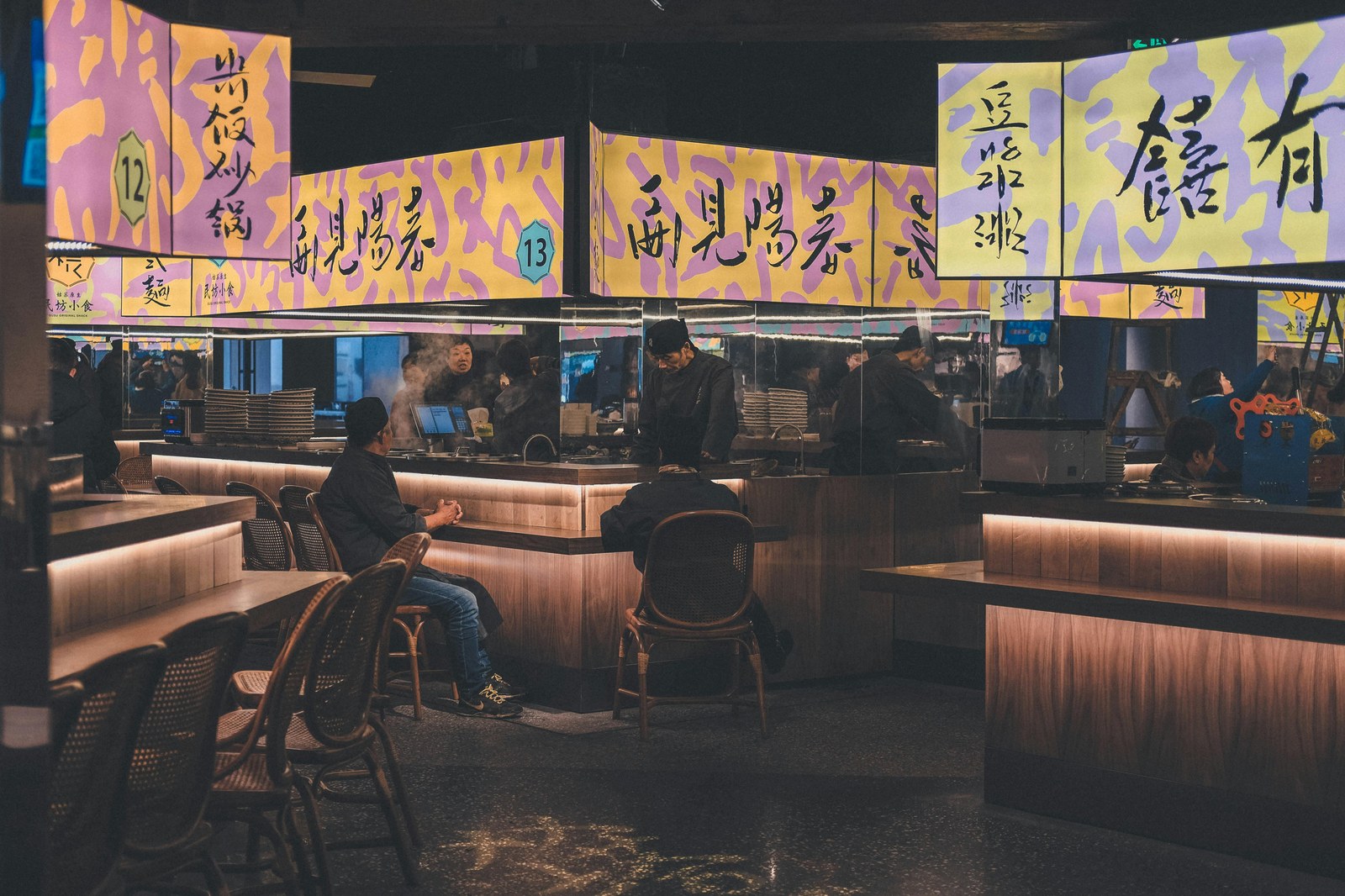
The algorithm noticed Irving St before the food press did. The scores have been high for a long time.
The restaurant that does not need you to come in is the one that has been giving the neighborhood a reason to come back for thirty years.
We test dishes so you don't have to. No spam — just the best food, neighborhood by neighborhood.