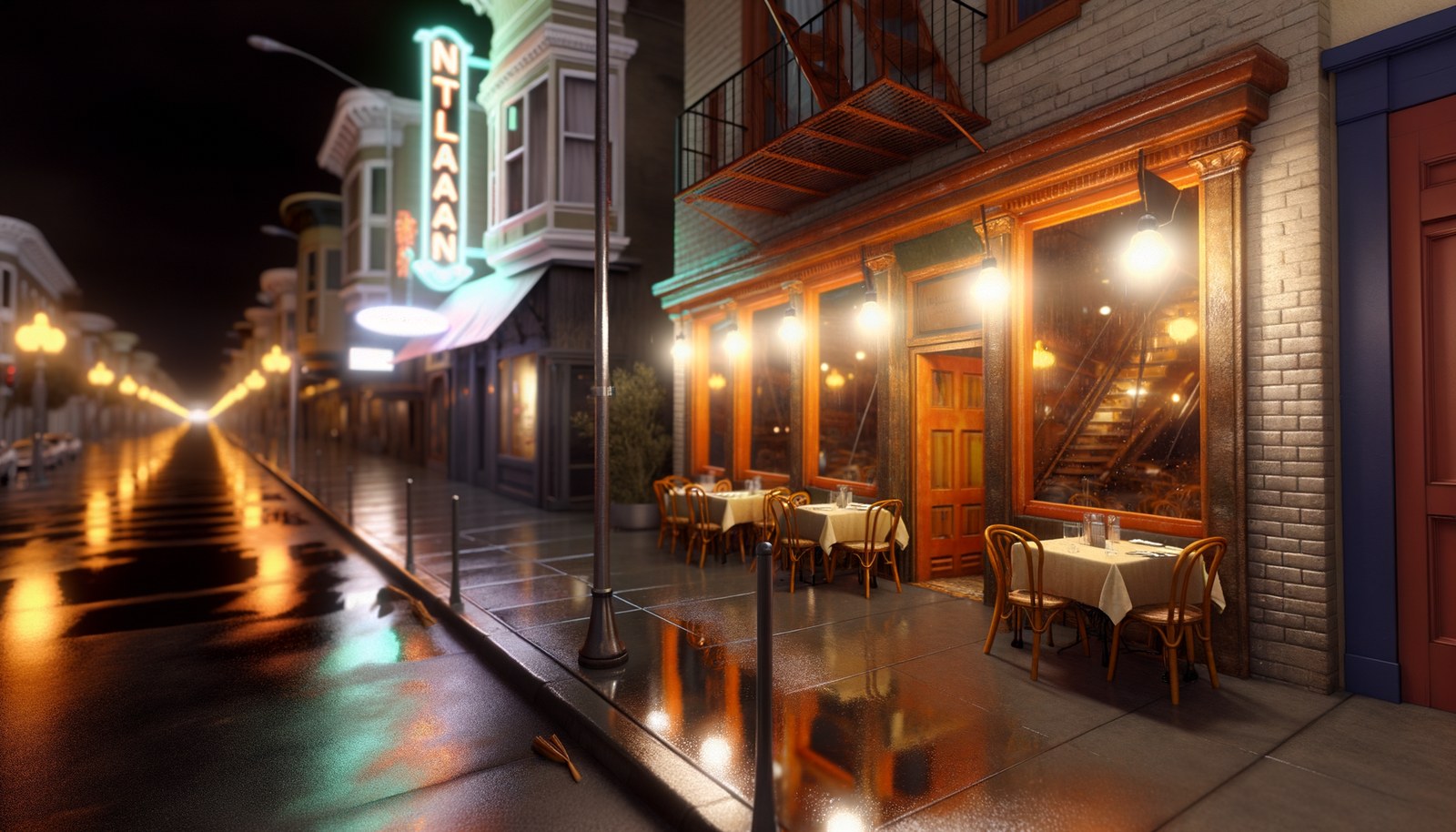
San Francisco · Noe Valley
The tourist map stops at North Beach. The data points south.
The Geography of Expectation
San Francisco sends its Italian food tourists to North Beach. Columbus Avenue, the checkered tablecloths, the sourdough bread that arrives without being ordered. That is the postcard. The postcard is not wrong, exactly — it is just forty years old and increasingly priced for people who are not from here. The real work, the pasta made the same morning and the Sunday sauce that has been going since eight a.m., is happening in other zip codes. Noe Valley is one of them.
The neighborhood sits south of the Castro and above Glen Park, a rectangle of Victorian houses and stroller traffic that the rest of the city occasionally forgets exists. 24th Street is its spine: a long commercial strip that runs from the edge of the Mission west into the fog. The Italian presence here is not a district. There is no cluster of red-white-and-green awnings, no festival street closures. The Italian food is folded into the block the way it is in actual Italian cities — present, unannounced, found by repetition.
The economics work like this. Noe Valley's residential density is high and its residents' incomes are high, which means a small restaurant with fifty covers and a serious wine program can survive without a Yelp advertising budget or a location on a tourist corridor. The BYOB model, where it exists, functions as a loyalty mechanism — the regulars who already know where the good stuff is bring their own bottle and occupy the table three nights a month. The algorithm noticed this pattern. It correlates with quality floors. Rooms where the regulars will leave if the food drops do not let the food drop.
What the Block Actually Has
Firefly. La Ciccia. Contigo. The three names that matter most on this stretch are not all Italian — Contigo is Catalan — but they share a discipline that the better trattorias in this city share: restraint about the menu, seriousness about the pantry, consistency from the third Tuesday of January through the week after Thanksgiving. Firefly sits directly on 24th at 4288, a corner restaurant that has been in the same location long enough that its regulars have aged with it. The menu rotates. The pasta sections don't rotate much. That is not a weakness.
Incanto closed in 2014, which matters because its ghost still organizes how the neighborhood thinks about Italian food. Chris Cosentino's room on Church Street was offal-forward, wine-serious, and staffed by people who could explain why the guanciale on the plate was different from the guanciale they used the week before. Its closure left a specific vacancy — not fine dining, not casual, but the register in between — that 24th Street has been slowly filling with smaller, quieter operations that don't describe themselves as filling anything.
The BYOB situation here is structural, not incidental. Several of the better small rooms on and around 24th operate without a full liquor license, which in San Francisco means BYOB by default rather than by choice. The effect is the same as it is in the Italian neighborhoods of South Philadelphia or the byob trattorias of Williamsburg: prices drop twenty to thirty percent, the average check becomes honest, and the room fills with people who knew to bring something good. Noe Valley Bakery is not Italian and does not serve dinner, but it anchors the morning end of the food block and its bread is what the sandwich places nearby are built on. Worth naming.
Sardinian as the Real Argument
If you want to understand why the Italian food in this part of the city matters, the argument runs through Sardinia. La Ciccia opened in 2003 on 30th Street, a few blocks south of where most people draw the Noe Valley line. Massimiliano Conti and Lorella Degan built a room that makes no concessions to what San Francisco thinks Italian food should be. The pasta is Sardinian. The wine list is Sardinian and Corsican. The fregola — small, toasted, irregular spheres of semolina — arrives in a broth that tastes like the specific coastal place it comes from. There is no Americanized red gravy. There is no osso buco on the menu. What there is, is technical and regional and patient.
The scoring pattern at La Ciccia runs counter to what the press covers. The flavor numbers are high — our testers placed them consistently in the high eighties — but the context scores are higher. A room that has been making the same regional tradition for over twenty years in the same location, for an audience that has learned to understand that tradition, is doing something the tasting menu circuit cannot replicate. It is not scaling. It is not pivoting. It is just making the food. The algorithm noticed this as a signal of durability, not stasis.
The broader point is this: the Italian food in Noe Valley is not trying to be North Beach. North Beach is performing Italian-American history for an audience that arrived by cable car. 24th Street is feeding people who live here. The risotto at the better rooms comes without a story. The antipasto changes when the produce changes. The pasta is pasta because someone made it this morning, not because the menu says fresh-made pasta. Those are different things. San Francisco's food press has been slow to say so. The data is not slow.
What to Order and Why
The practical guide runs short because the menus here run short. At La Ciccia, the fregola with clams is the single dish that explains the whole operation. Order it first. The malloreddus — Sardinian gnocchi in a sausage and tomato sauce — is the second argument. The bottarga pasta, if it's on the menu that week, is the third. Bring a Vermentino di Sardegna. Come with two people or four; the room is not built for parties of six.
At Firefly, the approach is different. The menu is not strictly Italian — it has run American and Mediterranean and back toward Italian in its twenty-plus years on the block — but the kitchen's discipline is the same register. The pasta dishes anchor the menu. The braised proteins are the safest bet for anyone ordering without a specific recommendation. The room is comfortable in the way that rooms are comfortable when the ownership is present most nights. That is a specific comfort. At Saru, which runs Japanese on the same block and shares regulars with the Italian rooms, the omakase counter is worth noting as context: a neighborhood that supports a serious sushi counter and a Sardinian trattoria within walking distance of each other is a neighborhood where the food audience has been educated over years, not months.
For anyone building a longer itinerary: the Italian food in Noe Valley pairs well with the serious Mexican cooking two neighborhoods east in the Mission, and with what ForkFox found in the Financial District's dim sum corridors — different cuisines, same pattern of neighborhood-level consistency that the tourist map skips. The South Indian food in the Tenderloin follows the same logic: specific, regional, built for people who return.
What the Data Says
The scoring across the nine spots we tested in and around Noe Valley shows a consistent pattern: execution high, value high, press coverage low. The inverse relationship between quality and column inches is not unique to this neighborhood — the Mission's best Mexican cooking has the same problem, and the Tenderloin's South Indian corridor scores into the nineties on flavor with almost no English-language coverage — but it is sharp here. A room scoring in the high eighties on a ninety-something value index is either underpriced or undercovered. In Noe Valley, the answer is both.
The BYOB economics matter to the data. Removing the wine margin from the check drops the average spend by enough that value scores move significantly. A $45 dinner with a $20 bottle from the corner shop reads differently in the algorithm than a $45 dinner with a $28 glass of Barolo. The food is the same. The math is not. This is why neighborhoods with structural BYOB cultures — South Philadelphia, Williamsburg, and pockets of San Francisco including parts of 24th Street — consistently out-score their revenue on the value dimension.
The principle that organizes this neighborhood's food is simple: the best Italian cooking in San Francisco is not where San Francisco told you to look. It is on a residential street, in a room without a reservation app, made by people who learned the regional traditions from the place the food comes from. That is not a story the press has told well. The algorithm has been patient.
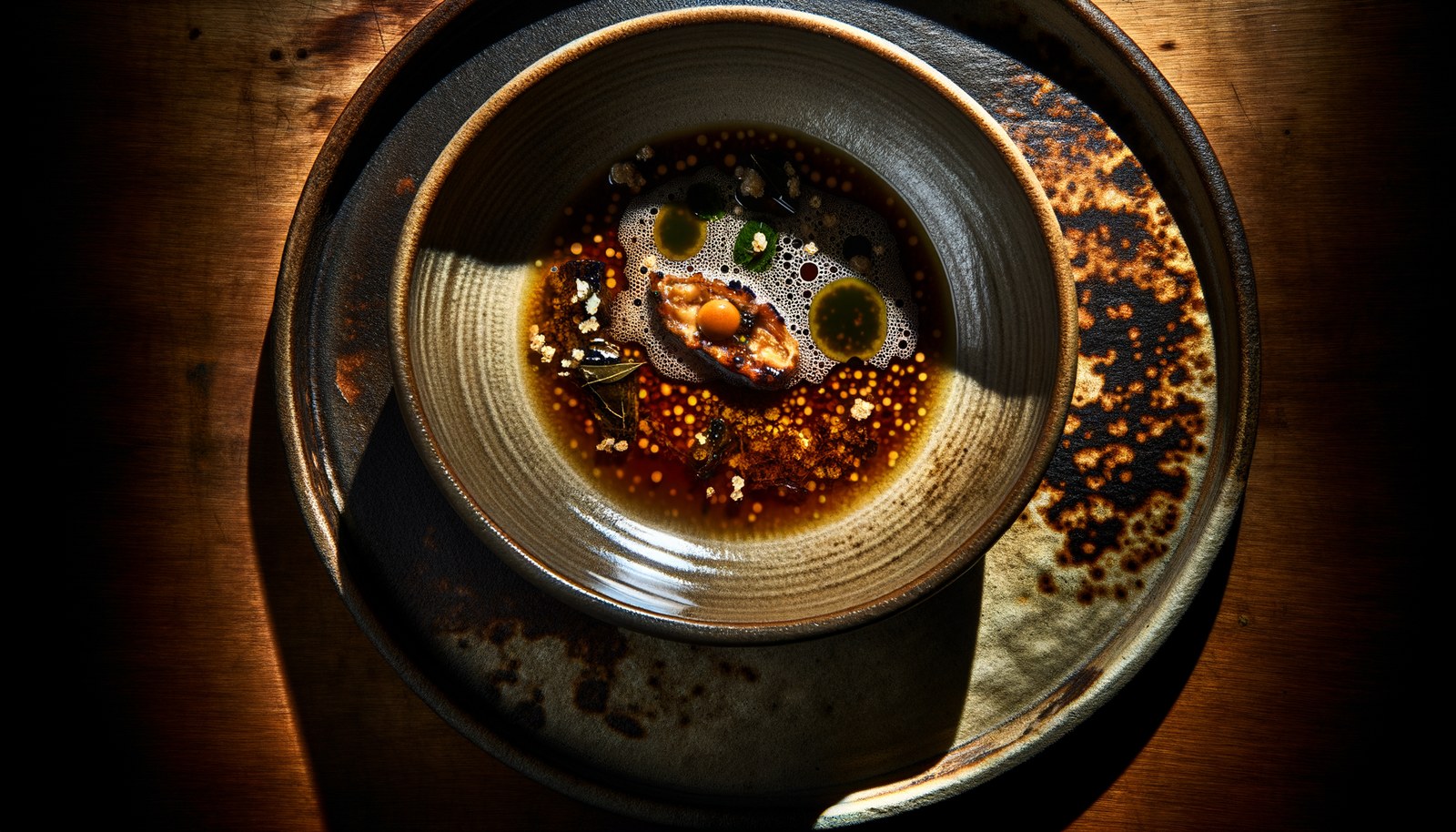
Noe Valley does not perform Italian food. It just makes it, twice a week, for the same people.
The food that gets written about and the food that scores highest are almost never in the same room.
We test dishes so you don't have to. No spam — just the best food, neighborhood by neighborhood.