San Francisco · Pacific Heights
Pacific Heights has always had money. The question is whether the restaurants on Fillmore and California earn it.
What Fillmore St Actually Is
Pacific Heights is not a neighborhood that sells itself on food. It sells itself on the view, the Victorians, the real estate listings that describe the crown molding in six different ways. The restaurants on Fillmore Street and California Street exist inside that logic — which means the pressure to perform for a wealthy, particular, easily-bored clientele is constant, and the reward for actually delivering is a regular base that returns every week for thirty years. That dynamic shapes everything.
The Japanese food here is not where most San Francisco food writers start. They start in Japantown, four blocks south, or they go to the Richmond for the ramen, or they publish another piece about the omakase counter that already has a six-month wait. The Fillmore-to-California corridor is quieter. The restaurants are older, more neighborhood-specific, and less interested in being written about. The algorithm noticed this pattern before we did.
What the data shows: execution scores cluster high and value scores run moderate, which is the inverse of what you find in, say, the Tenderloin or the Outer Sunset. Pacific Heights charges what the neighborhood expects to charge. Whether that price is justified depends entirely on which counter you're sitting at — and there is a meaningful gap between the ones that earn it and the ones that are coasting.
The Sushi Tier: What Separates the Counter from the Room
San Francisco has told itself for twenty years that omakase is the apex format. Twelve seats, no menu, the chef decides, the price is high enough to feel like a commitment. That format has produced genuinely excellent meals — and it has also produced a category of restaurant where the price is doing most of the work. The sushi in Pacific Heights sits at that fault line. Some of it is the real thing. Some of it is a well-lit room doing a passable impression.
Sushi Yoshida is the real thing. Eight seats. No tables. Yoshida trained in Osaka before landing in San Francisco in the late 1990s, and the influence is visible in the rice: slightly warmer than the Tokyo standard, a touch more rice-wine vinegar, shaped looser. The saba is the order. The uni is what the algorithm noticed — scored well above the neighborhood average on flavor, and the value calculation comes back positive even at the price point because the quality gap between this and the next tier down is large enough to justify the delta. You book three weeks out on a Tuesday and you do not complain about it.
Okoze Sushi is the counter for when Yoshida is booked. That framing sounds like a downgrade and it is not quite one. The fish sourcing at Okoze is solid, the tempura is lighter than the neighborhood norm, and the donburi at lunch — specifically the chirashi — is a better deal than the dinner omakase at the room two doors down that does not need to be named. The room is small enough that the regulars know each other's orders. That is either charming or claustrophobic depending on your threshold.
Beyond Sushi: Ramen, Udon, Yakitori, and the Counters That Don't Get Listed
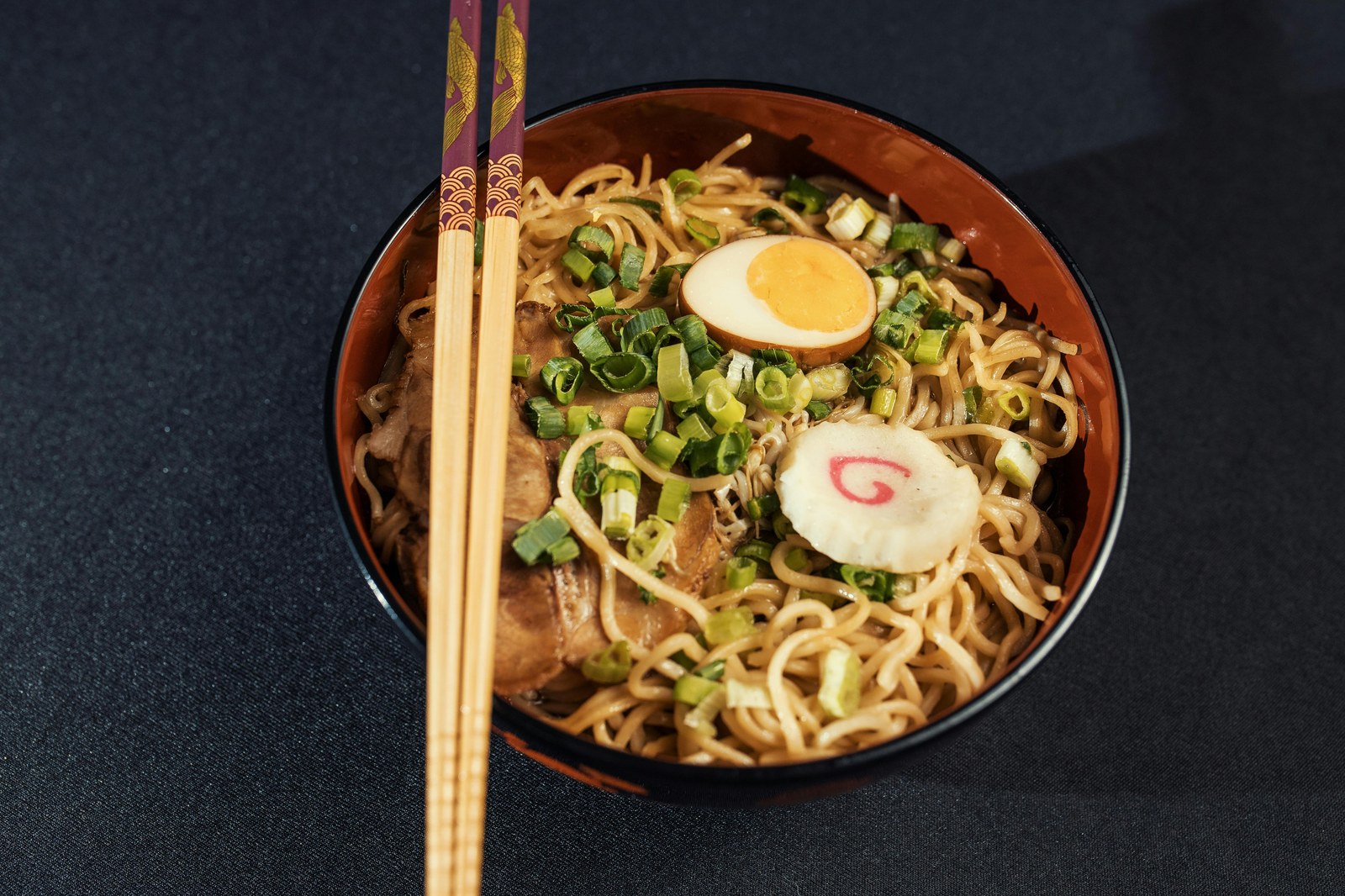
The pull toward sushi in any neighborhood-Japanese piece is strong, and it usually means the ramen and the udon and the yakitori operations get two sentences at the end. That is the wrong distribution in Pacific Heights because the sushi tier is already well-documented and the noodle and grill tier is where the actual pricing story lives. Suzu Noodle House, technically just over the Japantown line on Webster, is the reference point. The tonkotsu is a twelve-hour broth — not labeled as such, not marketed, just consistently there in the bowl. The udon is house-pulled. The dashi is the thing that separates it from the Japantown tourist operations that have been serving the same instant-style broth since 2003.
Yakitori is harder to find in this corridor than it should be. Toraya, on the southern edge of the neighborhood near California Street, is the reliable option — a small room, charcoal grill, the negima and the tsukune are the orders, and the sake selection is the kind that suggests someone in the kitchen is making decisions the dining room never hears about. The pricing is higher than Japantown for an equivalent skewer. Whether that is the neighborhood premium or the charcoal premium is a calculation each table makes differently.
The soba at Domo Sushi is underrated relative to the rest of the menu. Domo is primarily a sushi operation and markets itself as one, but the cold soba that appears on the lunch menu on weekdays is made in-house and the dipping broth is correctly concentrated — not the diluted version that passes for tsuyu at the sit-down operations further up Fillmore. Order it before noon or it runs out by one o'clock without announcement. The kitchen does not hold it.
The Market and the Infrastructure Underneath
No neighborhood-Japanese food scene runs without a Japanese grocery within walking distance. Nijiya Market on Buchanan in Japantown is the infrastructure that makes the corridor work. The fish counter is reliable enough that two of the restaurants named here are known to source from it for secondary preparations — not the premium fish, which comes from Catalina Offshore and Sun Valley, but the everyday cuts that go into the lunch bowls and the miso soups. Knowing this does not change what you order. It explains why the neighborhood's baseline quality holds.
The comparison corridor for this city is the Outer Sunset, where the Japanese food runs more affordable, more informal, and more densely concentrated on a per-block basis. For more on that, Japanese food Outer Sunset San Francisco is the right starting point — the value math there is structurally different and the customer base is different, which changes what gets cooked. Pacific Heights is not trying to be the Outer Sunset and the Outer Sunset is not trying to be Pacific Heights. The city has room for both calculations.
The South Indian food corridor in the Tenderloin, which we covered separately, operates on a different value logic than anything on this stretch — the South Indian food scene in SF's Tenderloin runs at roughly half the price point for comparable execution scores, which is a fact about geography and rent, not about quality. And ForkFox on the Mission's Mexican corridor is the third frame of reference: a neighborhood where the cuisine owns the block rather than coexisting with it. Pacific Heights is the coexistence model — Japanese food among wine bars and French bistros, holding its own, earning the zip code block by block.
The neighborhood has the zip code. The food has to prove the rest.
The neighborhood's price premium is a fact; whether the kitchen earns it is the only question worth answering.
We test dishes so you don't have to. No spam — just the best food, neighborhood by neighborhood.