San Francisco · Richmond
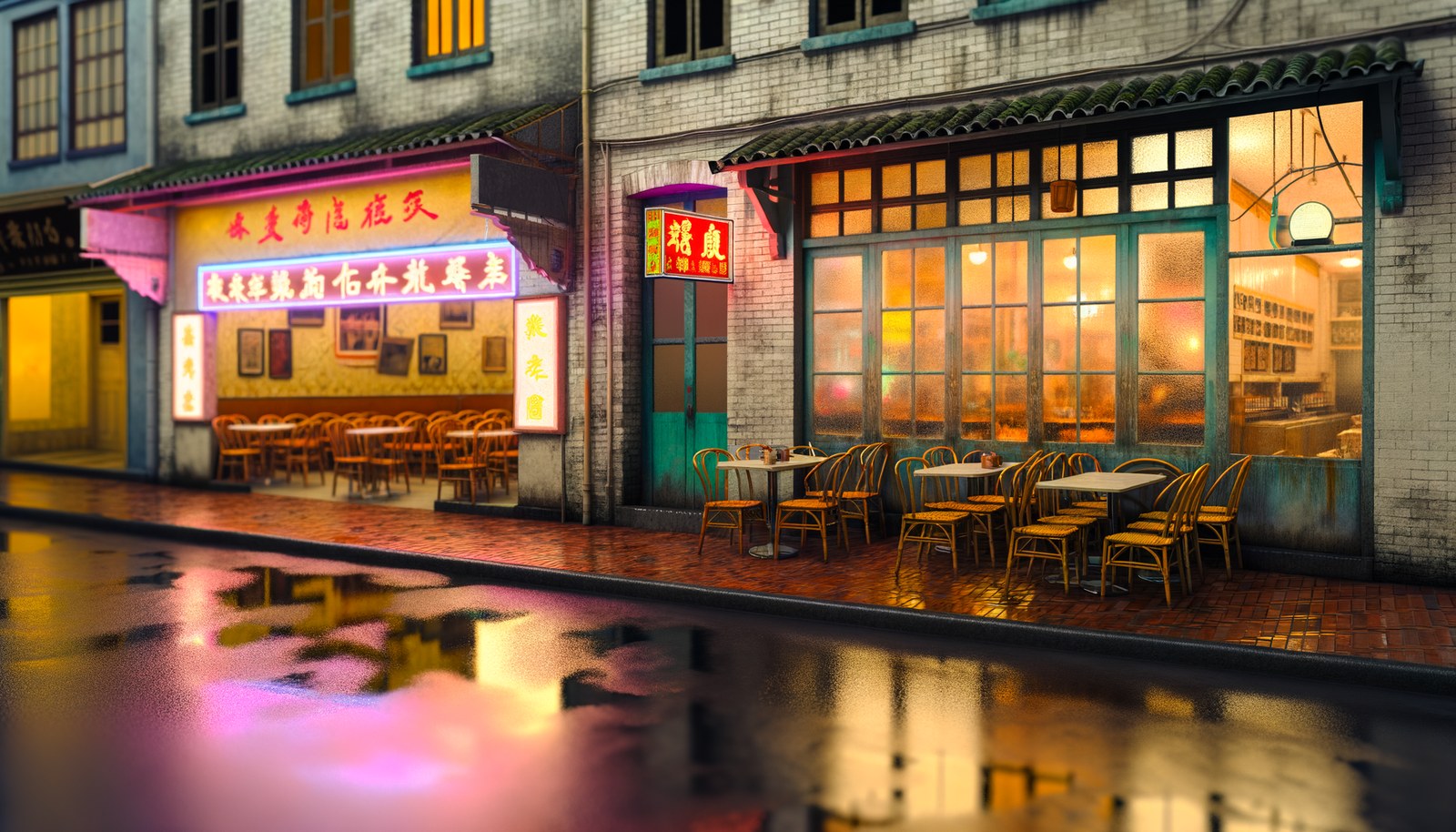
Clement Street is not a Chinatown annex. It is a working Cantonese neighborhood that has been feeding the same families for forty years, and the algorithm noticed.
What Clement Street Actually Is
San Francisco has a Chinatown. Every travel piece mentions it, every food tour starts there, and most visitors eat there exactly once. The Richmond District is where the city's Cantonese population actually went. Starting in the late 1960s and accelerating through the 1970s and 1980s, families moved west along Geary Boulevard and Clement Street, opening the roast-meat shops and dim sum parlors and congee counters that have been feeding the neighborhood ever since. This is not a story about displacement. This is a story about a community that built a second city inside the first one.
The result is a six-block corridor on Clement Street between 2nd and 12th Avenues where the ratio of Cantonese restaurants to everything else is high enough to be statistical. **Good Luck Dim Sum.** **Wing Lee Bakery.** **New Woey Loy Goey.** These are not outposts. They are the neighborhood. And the Geary Boulevard corridor, running parallel a block south, adds another layer — **Hong Kong Lounge II**, **Dragon Beaux**, **Ton Kiang** — where the kitchens are larger and the carts run on weekends with the kind of institutional confidence that comes from forty uninterrupted years of service.
The algorithm noticed something specific here. The gap between flavor scores and name recognition on Clement Street is wider than on any comparable corridor in the city. The spots that show up highest in the data are not the spots that show up in the press. That gap is the story.
The Economics of the Dim Sum Counter
The Cantonese food Richmond District San Francisco conversation almost always starts with dim sum, which is correct, because dim sum is where the economics are clearest. **Good Luck Dim Sum** on Clement Street operates as a takeout counter with no seating, no website, and a line at 10 a.m. on a Tuesday. The cheung fun is $4.25. The har gow runs three pieces for under four dollars. The lo mai gai — glutinous rice with chicken and Chinese sausage, wrapped in lotus leaf and steamed — is a meal for under five dollars. These are not loss-leader prices. These are the prices that happen when you remove the room, the server, and the theater from the transaction and sell the food.
**Hong Kong Lounge II** on Geary operates differently. The room seats over a hundred, the trolley service runs on weekend mornings, and the clay pot congee arrives in a vessel that has been on the stove long enough to develop a crust at the edges. The wonton here is a different argument — pork and shrimp, thin-skinned, in a clear broth that does not rely on MSG to do the work. The scores on execution here track with what the room's longevity suggests: consistent, deep, and not interested in performing for anyone.
**Dragon Beaux** sits at the far end of Geary and represents a third model. The room is polished. The har gow pleats are even. The char siu bao has a filling ratio that someone in that kitchen is paying attention to. The algorithm puts Dragon Beaux in the high eighties on execution — the highest on this corridor — but the value math is different from Good Luck. The question is not which is better. The question is what you are asking the meal to do.
Roast Meat, the Long Counter, and What the Neighborhood Eats for Dinner
Dim sum is the daytime argument. The evening argument is the roast-meat counter and the congee window. **New Woey Loy Goey** on Clement has been operating as a late-night Cantonese kitchen for decades — the kind of place where the menu is in Chinese on the wall and the English translation is approximate at best. The char siu here is not the pink-lacquered version that travels well on Instagram. It is the version that has been glazed and rested and sliced by someone who has been doing it the same way for a long time.
**Ton Kiang** on Geary runs a full clay-pot menu that the Richmond neighborhood treats as infrastructure. The clay pot rice arrives at the table still sputtering, the crust at the bottom of the vessel is not an accident, and the toppings — lap cheong, salted fish, chicken — are the point of the dish, not a garnish. **San Tung** runs a different operation: the dry-fried chicken wings have a cult following that extends well past the neighborhood, and the hand-pulled noodles in the back half of the menu are the thing the regulars actually order.
The data pattern across the dinner side of the Richmond is consistent: context scores high, execution scores high, value scores high, and the press scores low. For a longer look at how this city distributes its food coverage — where the stars go and where they don't — see what ForkFox on Financial District dim sum found in that corridor. The Richmond is not the Financial District. That difference is not incidental.
The Bakeries and What the Block Eats at 8 A.M.
**Wing Lee Bakery** opens early. The egg tarts are out by seven-thirty, the cocktail buns by eight, and the pineapple buns — properly called bolo bao, named for the scored sugar crust that looks like a pineapple skin — are gone by ten. The bakery is the infrastructure underneath the dim sum conversation. You eat here before the restaurant. You eat here after the restaurant. You eat here instead of the restaurant when the line is too long and you are hungry now.
**Hong Kong East Ocean** sits farther out on Geary and runs a larger format: the dim sum service here is primarily for groups, the parking lot is the point, and the weekend brunch format draws Cantonese families from Daly City, the Sunset, and the East Bay who are not coming for novelty. They are coming because the kitchen is reliable, the har gow is correct, and the lotus-leaf lo mai gai is the same as it was fifteen years ago. That consistency is not a failing. That consistency is the product.
The Richmond's Cantonese corridor is structurally different from what the Tenderloin did with South Indian food Tenderloin San Francisco, and from what the Mission built with the taqueria tradition that made the Mission's Mexican food its own argument. Those corridors are defined by immigrant arrival and adaptation. The Richmond's Cantonese block is defined by permanence. These restaurants did not adapt to the city. They held their position until the city moved toward them.
What the Data Shows About a Corridor That Does Not Need the Press
The Richmond's Cantonese restaurants score well in our data on every attribute that food media does not measure: the consistency of the third visit versus the first, the behavior of the regulars when the kitchen has an off night, the price stability across years when every other neighborhood has repriced upward. **Clement Street Bar and Grill** is not a Cantonese restaurant, but its presence on the street is a data point — the Richmond is a neighborhood, not a theme, and the Cantonese food here has always shared the block with other food without needing to dominate the conversation.
The press mostly covers the Richmond when it discovers something. The Richmond does not wait to be discovered. The line at **Good Luck Dim Sum** at 10 a.m. on a weekday is not made up of food tourists. It is made up of people who have been coming here for years and plan to keep coming. The algorithm notices the difference between a restaurant that scores well because it is new and a restaurant that scores well because it has held its standard across decades. The Richmond has the second kind.
The Cantonese food Richmond District San Francisco is the version of this city's food that existed before the tasting menu became the unit of measurement. It will be there after.
The cheung fun at Good Luck costs $4.25. The line outside costs you twenty minutes. Both are worth it.
A neighborhood that does not need to be discovered has already solved the problem that food media keeps trying to solve for it.
We test dishes so you don't have to. No spam — just the best food, neighborhood by neighborhood.