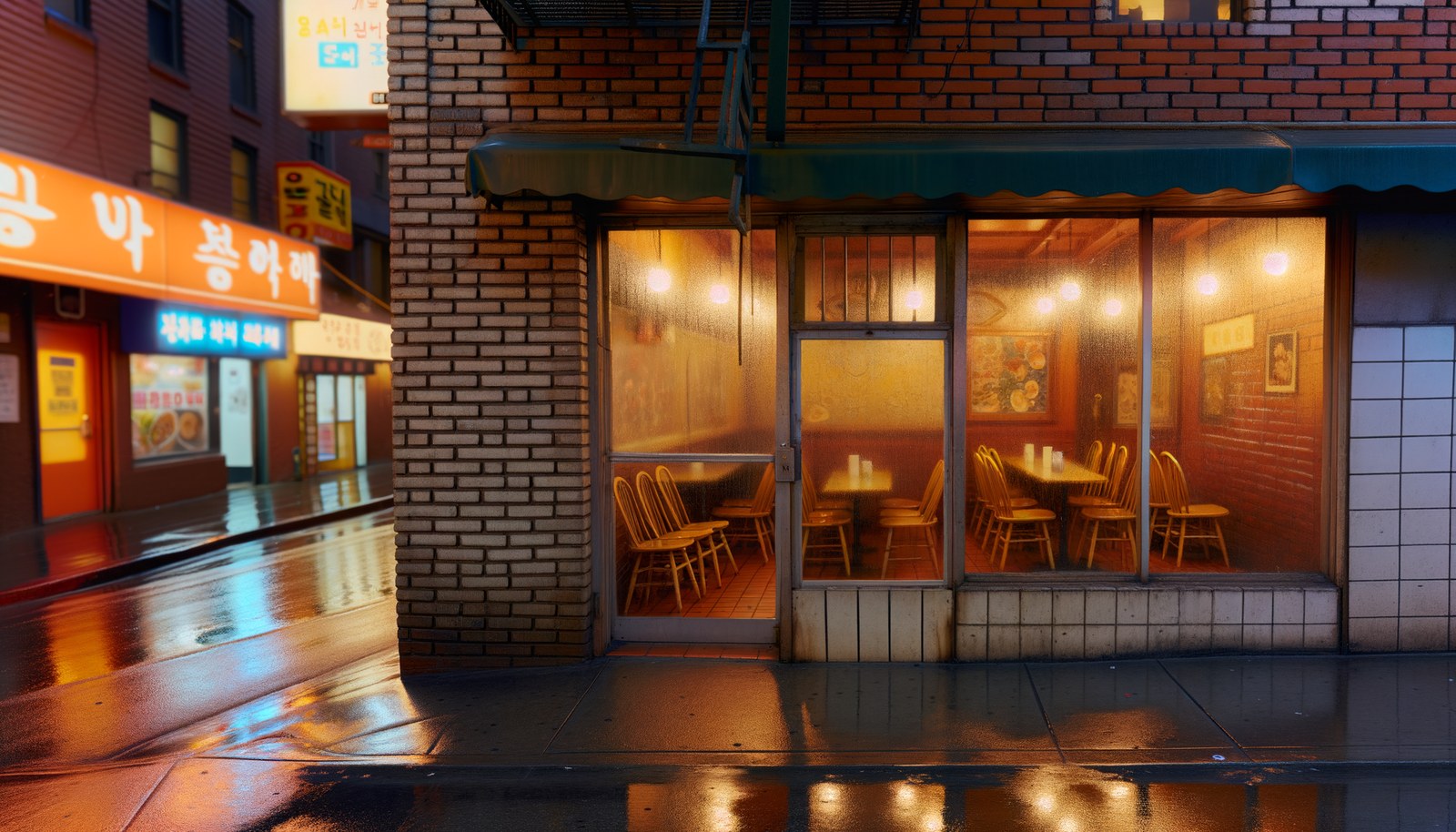
San Francisco · SoMa
SoMa is not the neighborhood you go to for Korean food in San Francisco. The data says it should be.
What the Map Misses
The received wisdom on Korean food in San Francisco puts you in the Richmond. It puts you on Geary, on Clement, in the specific block radius that the food media has been describing in the same words since 2009. The received wisdom is not wrong. It is incomplete. SoMa has been quietly running a parallel track for more than a decade, and the scoring pattern here is harder to ignore than the geography.
The neighborhood is not built for food tourism. The streets between Howard and Folsom, between 3rd and 7th, are logistics corridors during the day and quiet in the wrong way after nine. The buildings are mixed: mid-century warehouse conversions, a few new-construction glass boxes, the physical residue of several tech booms and their hangovers. Korean restaurants should not logically cluster here. They do anyway, and the algorithm noticed before the guides did.
The pattern that emerges from the data is a labor-economics story. The tech campuses along the corridor created a captive lunch market with specific requirements — fast, filling, affordable, good. Korean food, structurally, is exactly that. A bibimbap set, a kimchi jjigae with rice, a galbi plate with banchan — these are complete meals at price points that the neighborhood's Financial District neighbor cannot match. The restaurants that stayed open long enough to build regulars built something more durable than a dining scene. They built infrastructure.
The Food: What the Data Shows
Start with the sundubu at Bab Bar. It arrives still boiling in the stone crock, a practice that is more common to describe than to actually deliver. The banchan here rotate by the day — not the season, not the week, the day — which is a staffing commitment that most restaurants at this price point do not make. The bulgogi at lunch is lean, quickly marinated, not the sweet American-Korean gloss that has colonized the neighborhood's competitors. The flavor scores sit in the high eighties. The value scores are above ninety.
The galbi at Mokja is close-cut and charred on a real grill, not a tabletop induction plate. The menu does not perform Korean food for you; it sells Korean food to the workers who eat there three times a week and will leave if anything drops. That is the real quality-control mechanism at a spot like this. Not the review, not the star, not the algorithm. The regulars. The regulars are still there.
At Oma SF, the tteokbokki runs hotter than what you get in the Richmond, and the makgeolli is poured from a clay pot at a price that makes the neighborhood's ambient tech wealth feel briefly irrelevant. The kimchi jjigae is built on a braise that suggests patience — depth rather than heat alone. The scoring here surprised us on context: the room reads as working-lunch infrastructure and delivers at a level that the neighborhood's tasting-menu ecosystem, priced fifty to a hundred and fifty dollars higher per head, does not consistently clear.
The Block, the History, and the Economics
SoMa's Korean corridor does not have a single founding story. It has several overlapping ones. The warehouses along Folsom Street attracted light manufacturing and service businesses through the 1980s, and the Korean community that had established itself in the Richmond and the Sunset was already running small food operations in industrial neighborhoods by then. The dot-com boom of the late 1990s changed the clientele without displacing the operators. The bust and the rebuild and the second boom layered on top. The restaurants that survived each cycle did so the same way: they stayed affordable, they stayed consistent, and they did not redecorate for the new arrivals.
The physical block matters here. 5th Street, between Howard and Folsom, runs through the middle of what was the first-wave tech buildout. The lunch traffic on that corridor between 2010 and 2018 was dense and time-constrained, which rewards exactly the operational model that Korean lunch spots run: fast ticket times, complete meals, low check averages that allow for daily repetition. Hanbat, which has been on the edges of this corridor longer than most, is the clearest expression of this model. No frills in the room, no hesitation in the kitchen.
The comparison to the Tenderloin's South Indian food Tenderloin San Francisco corridor is useful. Both are neighborhoods where food culture was built by workers for workers, on blocks that food media did not reach until the scoring patterns became hard to dismiss. The mechanism is the same: a community builds the infrastructure it needs, the regulars maintain the quality signal, and the data eventually confirms what the regulars already knew. The difference in SoMa is the ambient money. The tech campus does not change the restaurant. It just adds a new category of regular.
How It Compares
The Richmond Korean corridor is denser. The menus are longer. The tabletop grills are more common and the makgeolli selection is wider. That is a real advantage, and for a specific kind of Korean food night — long, social, many rounds — the Richmond wins. SoMa is not competing for that night. SoMa is competing for the lunch, the quick weeknight dinner, the solo bowl of kimchi jjigae eaten at a counter at 12:15 on a Tuesday. In that competition, the SoMa spots score comparably on flavor and significantly higher on value.
The Mission comparison is less obvious but more instructive. The best Mexican food in the Mission District runs on the same logic: working-neighborhood pricing, high repetition from a loyal base, a quality floor maintained by daily scrutiny rather than weekend attention. Korean food in SoMa is running the same operating model in a different cuisine. The economics are identical. The data confirms it. Ssal Korean Kitchen scores within a few points of the top Richmond spots on flavor at roughly seventy percent of the check average. That ratio is the whole argument.
The tasting-menu corridor, which the city has spent twenty years building and the ForkFox Financial District data addresses separately, is the foil here. A three-hundred-dollar kaiseki and a fourteen-dollar sundubu set are not the same meal. They are not supposed to be. The sundubu does not lose that comparison. It wins a different one — and in a city that has convinced itself that the tasting menu is the only serious food, that distinction matters.
What to Order, and When
Lunch is the primary event in SoMa Korean. The set menus — bibimbap with soup, bulgogi with rice and banchan, galbi with the full spread — run between eleven and sixteen dollars at most spots on the corridor and are sized for actual hunger rather than expense-account restraint. The kitchen at Bab Bar runs its fastest between noon and one-thirty; the sundubu is at its most consistent during that window. Come at two and the braise has been sitting.
Dinner is quieter and, in some ways, better. The tteokbokki at Oma SF runs on a slower ticket at dinner, which means more time in the pot. The makgeolli selection is more likely to include the clay-pot pour after six. Mokja at dinner is the galbi at its most patient: the grill has been running all day, the cut is the same, but the kitchen is no longer racing a lunch rush.
The banchan rotation at Ssal Korean Kitchen is the thing to track across multiple visits. The kimchi changes depth by season; the pickled vegetables rotate with what the Alemany farmers market has available on Saturday morning. This is not a marketing point. It is a supply-chain observation. The algorithm scores consistency high here across a six-month data window, which means the variation is controlled, not random. That is a harder operational achievement than a fixed menu.
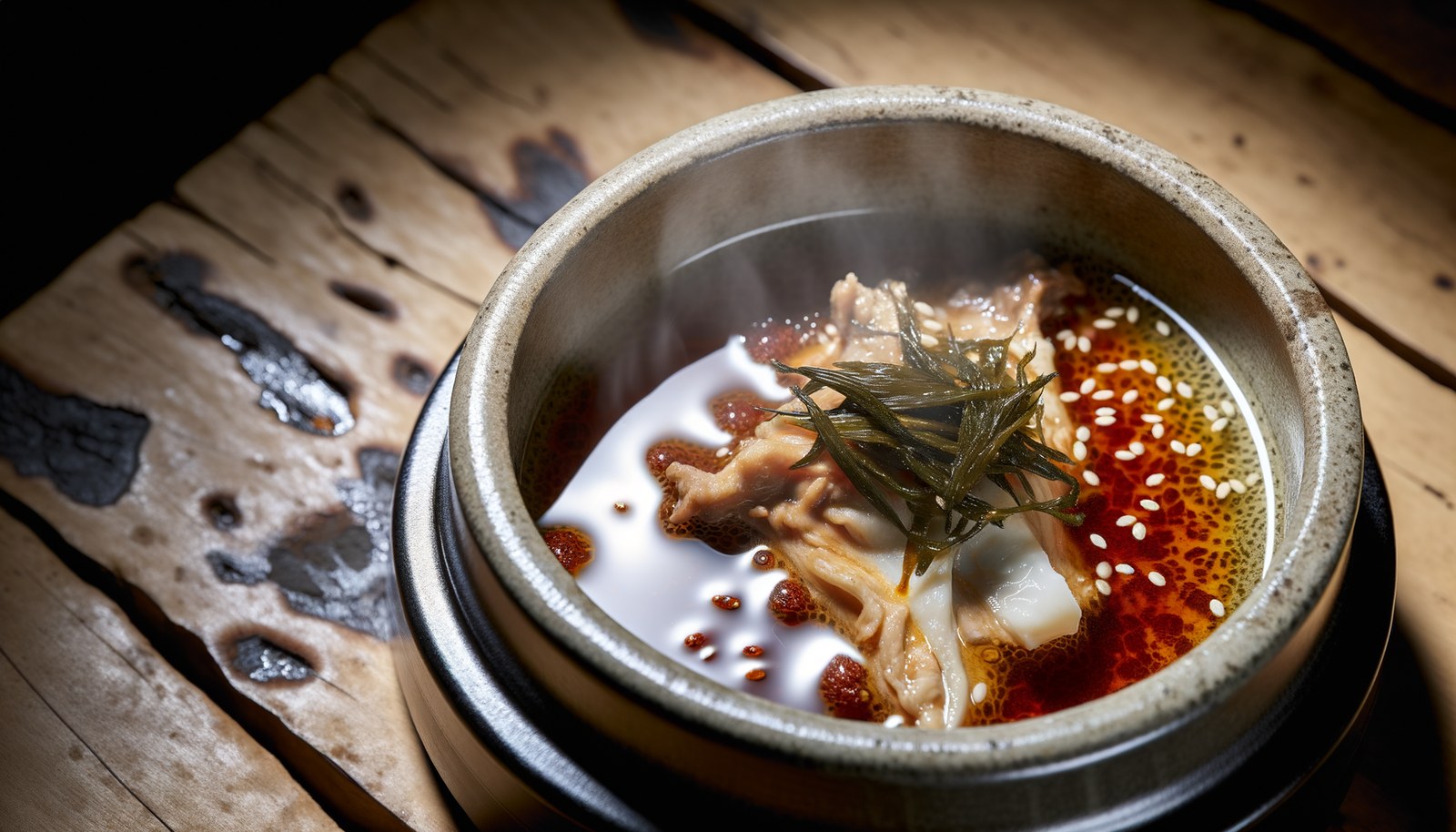
The algorithm noticed something the guides missed: SoMa Korean punches above its neighborhood profile.
The neighborhood that builds food for workers rather than visitors is the neighborhood that builds food that lasts.
We test dishes so you don't have to. No spam — just the best food, neighborhood by neighborhood.